by admin | May 18, 2026 | Uncategorized
When you sit down with your aging parents for Sunday dinner, the conversation often circles back to one thing: "I want to stay in my own home." It’s a powerful desire. It’s about more than just four walls and a roof; it’s about memories, comfort, and the freedom to decide when to have a cup of tea or which chair to sit in.
However, as an adult child, you might start to notice things. Maybe the laundry is piling up, or Mom is wearing the same outfit three days in a row because she’s afraid of the stairs. Maybe Dad is skipping showers because the bathtub feels like a mountain he can no longer climb.
The biggest misconception about personal care support is that it marks the beginning of the end of independence. At Pure Heart Home Care, we see it differently. We believe that the right senior home care is actually the key that unlocks more independence, not less. It’s about providing the bridge that allows your parent to keep living life on their own terms.
What is personal care support for seniors?
If you’re searching for an answer to "what is personal care support," think of it as hands-on assistance with the "activities of daily living" (ADLs). This includes tasks that have become physically or cognitively challenging, such as:
- Bathing and showering
- Grooming and hair care
- Dressing and undressing
- Toileting and incontinence care
- Safe transfers (like getting from the bed to a chair)
- Medication reminders
Unlike companionship care, which focuses on social engagement and light help, personal care is more intimate and physical. It’s designed to keep your parent healthy, clean, and: most importantly: safe within their own home.

How does in-home care services actually increase independence?
It sounds like a paradox, doesn't it? How does having someone help you get dressed make you more independent?
The answer lies in the concept of "functional independence." When a senior struggles with basic tasks, they often start to "shrink" their world. They stop going out because they can't get dressed easily. They stop eating well because standing at the stove is too tiring. They stop moving around the house because they are terrified of falling.
By bringing in home care services, you remove those barriers. When a caregiver helps Dad get safely through his morning routine, he has the energy and confidence left over to sit on the porch and wave to neighbors, or to work on his favorite hobby. Professional support handles the "struggle" so the senior can focus on the "living."
Protecting dignity: Why a professional caregiver changes the dynamic
One of the hardest things for a parent to accept is help from their own child with intimate tasks like bathing or toileting. It can feel like a role reversal that stings. Your mom wants to be your mom, not your patient.
Professional senior home care solves this emotional hurdle. Our caregivers are trained to provide support with the utmost respect and modesty. To a professional, helping with a sponge bath is a routine part of a health-focused day. To a daughter, it can feel like a heavy emotional burden for both parties.
When you hire a professional for personal care, you aren't just getting a set of hands; you’re preserving the parent-child relationship. You get to go back to being the daughter or son who visits for a chat, rather than the "nurse" who is constantly checking on hygiene. This shift is essential for the mental health of both the senior and the family caregiver. If you’re feeling the weight of these responsibilities, exploring respite care 101 can be a great first step toward finding balance.

The "Use It or Lose It" approach to aging
A visionary approach to in home care isn't about doing everything for the senior; it’s about doing things with them.
At Pure Heart Home Care, our goal is to encourage as much self-sufficiency as possible. If Mom can still button the middle of her shirt but struggles with the top, we let her do the middle. If Dad can wash his face but needs help with his feet, we step in only where needed.
This "active care" model helps maintain muscle memory, physical strength, and: most importantly: a sense of self-worth. When a senior feels they are still contributing to their own care, their mood and cognitive function often improve. It's a cornerstone of what we discuss in our guide to mastering compassionate senior support.
Creating a "Safety Net" to prevent the crisis move
Most seniors end up in assisted living or long-term care facilities because of a crisis: usually a fall or a sudden decline in health due to poor self-care.
Personal care support acts as a preventative measure.
- Fall Prevention: Bathrooms are the most dangerous room in the house. Having a steady arm during a shower or transfer significantly reduces the risk of a hip fracture.
- Skin Integrity: Regular bathing and assistance with incontinence prevent infections and sores that can lead to hospitalizations.
- Routine Stability: Having a set time for waking up, grooming, and moving around keeps the body’s internal clock regulated, which is vital for seniors with early-stage dementia.
By being proactive, you are actually extending the years your parent can stay at home. You are preventing the emergency that forces a move they aren't ready for.

How to know if your parent needs personal care support?
It’s not always obvious when the line is crossed from "slowing down" to "needing help." Here are a few red flags to watch for:
- The "Scents" of Change: Unpleasant body odor or a house that smells of urine.
- The Look: Unkempt hair, long fingernails, or wearing stained clothing.
- The "Furniture Walk": You notice Mom touching every piece of furniture as she moves across the room to stay balanced.
- Weight Loss: Often a sign that cooking or eating has become too much of a chore.
- Mood Shifts: Irritability or withdrawal, which often masks the fear of being unable to care for oneself.
For a deeper dive into these signals, check out our article on 5 signs your aging parent needs in-home care services.
Talking to your parent about personal care
This is the conversation most families dread. The key is to frame the support as a way to stay home, rather than a step toward leaving home.
Try saying something like: "Dad, I know how much this house means to you. I want to make sure you can stay here forever. If we have someone come in for a few hours to help with the heavy lifting in the morning, it means you won't be so tired for our walks in the afternoon. It's about keeping you safe so you never have to move."
Focusing on the "vision" of their future: one where they remain the master of their domain: usually meets with much less resistance than focusing on their "limitations." If you're unsure how to start the process, our guide for busy adult children offers a step-by-step roadmap.
Why Pure Heart Home Care is different
We aren't just a service provider; we are your partners in this journey. We understand that every family is different. Some may only need a few hours of help a week, while others might eventually require 24 hour home care.
Our approach is visionary because we look at the whole person: their history, their preferences, and their dreams for their senior years. We match our caregivers not just based on skills, but on personality, ensuring that the person coming into your home feels like a trusted friend.
Personal care support is a powerful tool. It’s the difference between a senior who is "surviving" at home and one who is "thriving" at home. It provides the physical safety and emotional dignity required to age with grace.

If you're ready to explore how we can help your parent maintain their independence, we invite you to learn more about our home care services and how we can tailor a plan that fits your family's unique needs. Staying home is possible; and with the right heart leading the way, it’s the best way to live.

by admin | May 17, 2026 | Uncategorized
At Pure Heart Home Care, we believe that aging is not a "condition" to be managed: it is a season of life to be honored. Yet, for decades, the senior care industry has operated like a factory. From standardized meal times in facilities to "cookie-cutter" checklists used by generic agencies, the approach has often been one-size-fits-all.
But here is the truth we see every single day in Vancouver: No two hearts beat the same. A 85-year-old retired teacher living with the early stages of dementia has vastly different needs, fears, and dreams than a 70-year-old recovering from hip surgery. When we try to fit these unique individuals into a pre-packaged box of home care services, the box eventually breaks.
In this post, we’re diving deep into why personalized support plans aren’t just a "bonus": they are the heartbeat of effective, dignified in home care.
The Myth of the "Standard" Senior
To understand why personalization matters, we have to look at the reality of aging today. Research shows that approximately 95% of older adults have at least one chronic condition, and a staggering 80% are managing at least two.
When a care plan is generic, it ignores the complex interplay between these conditions. For example, a standard plan might focus on mobility, but if it doesn't account for vision impairment or a specific dietary need related to heart health, the senior isn't truly being supported. They are just being supervised.
At Pure Heart, we view our clients as whole people, not a collection of symptoms. We know that "standard" care often leads to "standard" results: which, unfortunately, can mean a faster decline in independence and a loss of spirit. We’re here to change that narrative.
Why Personalization is Critical for Dementia and Cognitive Change
Nowhere is the failure of "one size fits all" more evident than in dementia care. For someone living with cognitive decline, the world literally looks and feels different.
Research indicates that dementia patients perceive color, lighting, and texture in ways that can be overwhelming. A dark rug might look like a hole in the floor; a brightly lit clinical room can cause intense agitation. When care is standardized: meaning the same environment and the same rigid routines for everyone: it leads to confusion, stress, and behavioral challenges.
A personalized support plan for dementia isn't just about safety; it’s about sensory harmony. We create plans that honor the client’s "inner clock." If your father was a night owl his whole life, why force him into a 7:00 AM breakfast routine? That's not care; that's institutionalization. By tailoring the environment and the schedule to the individual, we reduce anxiety and unlock moments of genuine connection.
For families navigating this, we recommend reading our guide on why companionship care is essential for Vancouver seniors, which explains how social connection is tailored to cognitive needs.
The Pure Heart Process: How We Build a Personalized Plan
How do we move from a blank page to a visionary care plan? It’s a collaborative journey that goes far beyond a medical chart.
1. The Deep-Dive Assessment
We start by listening. We want to know about their career, their favorite music, their pet peeves, and what a "perfect day" looked like ten years ago. We look at the physical layout of the home, identifying safety risks while preserving the "soul" of the living space.
2. Matching the "Right" Heart
One of the biggest mistakes families make when choosing in home care is focusing only on the caregiver's technical skills. Skills can be taught; personality is inherent. We match caregivers based on temperament and shared interests. If a client loves gardening, we want a caregiver who isn't afraid to get their hands in the dirt.
3. Goal-Oriented Support
Personalized care means having goals. These aren't just medical goals (like "take blood pressure daily"), but quality-of-life goals.
- Goal: Be able to walk to the end of the driveway to check the mail.
- Goal: Host a bridge game for friends once a month.
- Goal: Finish reading a historical biography together.

Addressing Physical Disability with Innovation
For those living with physical disabilities, "one size fits all" is more than a nuisance: it’s a barrier to independence. Home care services must be surgically precise in how they support mobility.
A personalized plan involves coordinating with occupational therapists and ensuring that every transfer, every bath, and every meal is handled with the specific physical limitations (and strengths) of the client in mind. The goal is never to do for the client what they can do for themselves. True personalized care empowers the individual to maintain their agency.
If you are unsure where to start, our Home Care Services 101 guide is an excellent resource for busy adult children trying to navigate these first steps.
The Emotional ROI of Personalized Care
When a senior feels "seen," something magical happens. Their dignity returns. We’ve seen clients who were previously withdrawn and silent begin to share stories and laugh again because their caregiver took the time to engage with their specific history.
This is the power of personalized home care services. It shifts the focus from "what is wrong with you" to "what matters to you."
For the family, the peace of mind is immeasurable. You no longer have to worry if the "temporary agency worker" knows that Mom hates peas or that Dad needs the subtitles on the TV. You know there is a plan in place that was built specifically for them.
https://cdn.marblism.com/YgGd_jsxtvp.webp
The High Cost of Generic Care
It might seem easier or cheaper to go with a "standard" service, but the long-term costs are often higher. Generic care often leads to:
- Higher Hospital Readmission Rates: Because subtle changes in the client’s "normal" state are missed by caregivers who don't know them deeply.
- Caregiver Burnout: Without a personalized connection, the relationship becomes transactional.
- Increased Agitation: Especially in clients with disabilities or dementia who feel misunderstood.
If you are currently comparing options, take a look at our breakdown of 24-hour home care vs. part-time support to see how different levels of personalization fit into your budget.

A Vision for the Future of Aging in Vancouver
At Pure Heart Home Care, our vision is a world where every senior is treated as a VIP: a Very Important Person with a Very Individual Plan. We aren't just providing in home care; we are protecting the legacies of the people who built our community.
We know that inviting someone into your home is a massive act of trust. That’s why we are so committed to getting the plan right from day one. Whether you are looking for personal care at home or simply need respite care so you can take a breath, we are here to tailor a solution that fits your family perfectly.
Don't settle for a "one size fits all" approach. Your loved one’s life is a masterpiece: it deserves a frame that was built just for them.
Are you ready to see the difference a personalized plan can make?
Explore our blog for more tips, or contact us today for a consultation. Let’s build a future where your aging parent doesn't just stay at home( they thrive there.)

by admin | May 17, 2026 | Uncategorized
If you’re reading this, you’re likely in the "thick of it." Maybe you spent your weekend researching facilities, or perhaps you just got off a difficult phone call with a health authority representative. You’ve heard the number: 287 days.
That is the average wait time for a publicly funded long-term care (LTC) bed in British Columbia right now. In the Vancouver Coastal Health and Fraser Health regions, that number can often stretch much longer depending on the specific facility and the level of urgency.
At Pure Heart Home Care, we see the stress this causes families every single day. The "waitlist" isn't just a digital queue; it represents months of uncertainty, caregiver burnout, and seniors living in environments that may no longer meet their needs. But here’s the visionary perspective we want to share: the waitlist doesn’t have to be a period of "waiting." It can be a period of thriving, provided you have the right bridge in place.
The Reality of the Numbers: Why the Wait is Growing
The data is sobering. Since 2018, wait times for long-term care in B.C. have increased by nearly 98%. While the provincial government is working on initiatives like small-scale care homes, the gap between the number of seniors needing care and the available beds continues to widen.
Currently, there are over 7,000 individuals on the waitlist across the province. This surge is driven by an aging population and a "bed density" that is actually projected to drop over the next decade. For many Vancouver families, the "287-day" figure is a best-case scenario. If you are looking for a specific, high-demand facility close to home, you might be looking at 18 to 24 months.
It’s important to understand how the system works. It is not first-come, first-served. It is based on clinical prioritization. If a senior is currently in a hospital bed (often called an ALC or Alternate Level of Care bed), they are prioritized higher than someone living at home, even if the person at home is struggling. This creates a "crisis-first" system that leaves many families in a precarious middle ground.

The "First Available Bed" Trap
When you finally get to the top of that 287-day list, the pressure doesn't stop. The current policy often dictates that when a bed becomes available: even if it isn't your first choice or is located across the city: you typically have only 24 to 48 hours to accept it.
If you refuse the "first available" bed, you may lose your priority status. This leaves families in a heartbreaking position: do you move mom or dad to a facility 40 minutes away just to secure a spot, or do you stay on the list and keep struggling at home?
This is where the vision of modern aging shifts. We believe that the best care doesn't always happen within the four walls of a facility. It happens where the heart is.
Home Care: The Essential Bridge to Quality Living
If the waitlist is 287 days, that is nearly 10 months of life that shouldn't be defined by stress. This is where home care services step in as more than just a temporary fix.
Senior home care allows your loved one to remain in their familiar environment while receiving the clinical and emotional support they need. Instead of viewing the waitlist as a countdown to a move, many families find that with the right support, they can delay: or even eliminate: the need for a long-term care facility altogether.
1. Safety and Fall Prevention
The primary reason seniors are moved into LTC is safety. Falls are the leading cause of injury for B.C. seniors. Professional caregivers can perform home safety assessments and provide the physical support needed for transfers, bathing, and mobility, significantly reducing the risk of a crisis that would force an emergency facility placement.
2. Consistency of Care
In a facility, staff-to-patient ratios are often stretched thin. With personalized home care, the ratio is 1:1. Your loved one receives undivided attention, ensuring that medication is taken on time, nutrition is prioritized, and hygiene is maintained with dignity.
3. Mental Health and Companionship
Isolation is the "silent killer" of the elderly. The long wait for a bed can be incredibly lonely. Specialized companionship care ensures that your parent has someone to talk to, go for walks with, and engage in hobbies with, keeping their mind sharp and their spirit high.
Navigating the Financial Side of the Wait
A common concern we hear from Vancouver families is the cost. Publicly funded LTC in B.C. is income-tested, costing up to 80% of a senior's after-tax income. While this can be affordable for some, the "cost" of a facility isn't just financial: it's the loss of independence and the trauma of relocation.
When you look at 24-hour home care vs. part-time support, you might find that bringing in a professional caregiver for key "danger zones" in the day (like morning routines or evening "sundowning" periods) is not only more cost-effective than you thought, but it also preserves the senior's assets and home equity longer.
What Should You Do While You Wait?
If you have just started the assessment process with Vancouver Coastal Health or Fraser Health, here is our recommended roadmap:
- Get the Assessment Done Early: Don't wait for a crisis. Even if you think you can handle things for now, get on the list. The clock doesn't start ticking until the assessment is complete.
- Define Your "Must-Haves": Understand which facilities in your area actually fit your loved one’s lifestyle. Use the wait time to visit them (if allowed) so you aren't making a 24-hour decision in the dark.
- Audit the Home Environment: Look for trip hazards. Consider a walk-in tub or grab bars. Small changes can extend the time a senior can safely stay at home.
- Book a Consultation for Support: You don't have to do this alone. Whether it’s a few hours of respite care so you can catch your breath or full-time support, professional help changes the dynamic from "surviving" to "living."

A Vision for the Future of Aging in Vancouver
At Pure Heart Home Care, our vision is a Vancouver where aging isn't synonymous with "moving out." We see a future where the home is a sanctuary of health and wellness, supported by technology and compassionate human touch.
The 287-day waitlist is a symptom of a system under pressure, but it doesn't have to be the defining feature of your family’s journey. By choosing to bring care into the home, you are choosing to respect the history, the comfort, and the autonomy of your loved one.
We are here to help you bridge that gap. We believe every senior deserves to be treated with a "pure heart," receiving care that is as much about the soul as it is about the body.
If you’re feeling overwhelmed by the waitlist, let’s talk. We can help you navigate the system, understand your options, and provide the high-quality senior home care that makes staying at home the best decision you’ll ever make.
Ready to explore your options?
Contact us today for a free consultation and let’s build a plan that puts your family first, waitlist or no waitlist.

by admin | May 17, 2026 | Uncategorized
At Pure Heart Home Care, we believe that aging is not a process of decline, but a transition into a new chapter of wisdom and comfort. Every senior deserves the right to wake up in their own bed, surrounded by the walls that hold their life’s memories. However, for that dream of independent living to remain a reality, the home must be a sanctuary, not a source of hidden hazards.
Falls are often the "silent" disruptor of independence. Statistically, they are the leading cause of injury for seniors, but here is the visionary truth: most falls are entirely preventable. By shifting our perspective from "reacting to accidents" to "creating a safe environment," we empower our loved ones to live vibrantly.
If you have been searching for home care near me to ensure your parent is safe, you are already on the right track. But safety starts with awareness. Here are the seven most common mistakes families make with home safety and the inspirational steps you can take today to fix them.
1. The "Invisible" Danger of Throw Rugs
We all love a decorative rug to tie a room together, but in the world of senior safety, these are often "trip wires" in disguise. Even a rug with a slight curl at the edge or one that slips just a fraction of an inch can cause a devastating fall.
The Fix: Take a visionary approach to your flooring. If a rug isn't absolutely necessary, remove it to create a seamless, flat path. If you must keep them, use high-quality, double-sided rug tape or non-slip backing to ensure they are "welded" to the floor. The goal is a clear, predictable surface where every step feels secure.
2. Living in the Shadows (Poor Lighting)
As we age, our eyes require more light to distinguish depth and see obstacles. Many homes are filled with "mood lighting" or dim hallways that make it impossible to navigate safely at night. A simple trip to the bathroom in the dark can become a high-risk journey.
The Fix: Brighten the path to independence! Replace dim bulbs with high-lumen LEDs. Install motion-sensor nightlights in hallways, bathrooms, and bedrooms. Imagine a home where light follows you as you move: this small tech upgrade creates a massive safety net. For those exploring home care services 101, lighting is always step one on our safety checklist.

3. Footwear Fails: Socks and Loose Slippers
It feels cozy to walk around in socks or those well-worn, loose-fitting slippers, but they offer zero traction on hardwood or tile floors. In fact, wearing just socks on a smooth surface is almost like walking on ice for someone with balance challenges.
The Fix: Invest in "indoor-only" shoes. These should be sturdy, closed-toe, and have non-slip rubber soles. Think of footwear as the foundation of a building; if the foundation is slippery, the whole structure is at risk. Encourage your loved ones to wear supportive shoes from the moment they step out of bed.
4. Reaching for the Stars (Inaccessible Storage)
In many kitchens and closets, the most frequently used items are stored on high shelves or tucked deep into low cupboards. This forces seniors to use step stools or over-extend their reach, both of which are recipes for a loss of balance.
The Fix: Reorganize for ease. Move the coffee mugs, favorite pots, and daily medications to waist-high counters or eye-level shelves. By keeping life within reach, you eliminate the need for dangerous "climbing expeditions" in the kitchen. This is a core part of personalized home care services: adapting the environment to the person, not the other way around.
5. Obstacle Course Hallways
Over time, homes tend to collect "stuff." A side table here, a plant stand there, a stack of magazines in the corner. For a senior using a walker or even just navigating with a slight gait change, these items turn a simple hallway into an obstacle course.
The Fix: Adopt a "clear path" philosophy. Ensure there is a wide, unobstructed lane through every room. Furniture should be stable; if a senior reaches out to steady themselves on a table, that table shouldn't tip over. Creating open space isn't just about safety: it creates a sense of freedom and calm in the home.
6. Resisting Assistive Devices
There is often a stigma associated with grab bars or walkers. Many seniors feel that installing a bar in the shower is an admission of "getting old." This mindset is one of the biggest hurdles to safety.
The Fix: Reframing the narrative. A grab bar isn't a sign of weakness; it’s a tool for power and autonomy. Just as a professional athlete uses specialized gear to perform their best, a senior uses assistive devices to maintain their high quality of life. Installing stylish, modern grab bars in the bathroom and sturdy handrails on both sides of every staircase is a visionary move that protects the future.
7. Neglecting the "Danger Zone": The Bathroom
Statistically, the bathroom is the most dangerous room in any home. The combination of water, soap, and hard surfaces creates a "perfect storm" for accidents. Stepping over the high wall of a traditional bathtub is one of the most common moments where falls occur.
The Fix: Transform the bathroom into a spa of safety. Use non-slip mats both inside and outside the tub. Consider a raised toilet seat to make standing easier. Most importantly, if balance is a concern, look into personal care services. Having a professional caregiver assist with bathing not only prevents falls but also restores dignity and peace of mind to the daily routine.

How Pure Heart Home Care Leads the Way
Preventing falls isn't just about moving furniture; it’s about a holistic approach to wellness. Sometimes, the best way to prevent a fall is simply having a companion present. Our companionship care ensures that someone is there to help with a steady hand or to spot hazards before they become problems.
If you’re noticing signs that your aging parent needs help, don’t wait for a "close call" to act. A proactive home safety assessment can change the entire trajectory of their aging journey.
At Pure Heart Home Care, we are more than just a service provider; we are partners in your family's safety. We see the potential for every senior to live a long, safe, and inspired life in the comfort of their own home. Whether it's through helping with personal care or simply providing the peace of mind that comes with professional oversight, we are here to ensure that the heart of your home stays safe.
Take Action Today
Safety is a choice we make every day. Walk through your loved one's home this afternoon with a fresh pair of eyes. Look for the rugs, the dim lights, and the cluttered paths. By fixing these seven common mistakes, you aren't just "preventing a fall": you are protecting their independence, their dignity, and their future.
If you need a professional eye to help evaluate your home safety or want to learn more about how our caregivers can provide that extra layer of security, reach out to us. Let’s work together to keep the heart of your home beating strong.

by admin | May 17, 2026 | Uncategorized
At Pure Heart Home Care, we believe that aging is not a season of decline, but a journey that deserves to be lived with dignity, safety, and a spirit of independence. However, there often comes a moment when the scales tip. The "quiet" nights become filled with worry, and the days are spent hovering over a phone, waiting for a call that never comes, or worse, the one that does.
If you’ve found yourself wondering if your loved one is truly safe at home alone, you’re not alone. The transition to 24 hour home care is one of the most significant decisions a family can make. It is a visionary step toward reclaiming the "home" in home care, ensuring that your parent or spouse isn’t just surviving, but thriving in the environment they love most.
But how do you know when it’s time to move from part-time help to around-the-clock support? And once you decide, how do you ensure you’re choosing the best in home care services for your unique situation? We’ve put together the ultimate "Peace of Mind" checklist to help you navigate this transition with clarity and confidence.
The Turning Point: Recognizing the Need for Continuous Care
Deciding on 24-hour care isn't usually about one single event; it's about a pattern of safety concerns that begin to outweigh the benefits of independent living. We often see families reach this crossroads when "the basics" are no longer enough.
The Safety Indicators
- Frequent Falls or "Near Misses": If your loved one has had more than one fall in the last six months, or if they are afraid to move around the house alone, nighttime becomes a high-risk zone.
- Sundowning and Confusion: For those living with dementia or Alzheimer’s, the evening hours can bring increased agitation, wandering, or confusion. This is often the primary driver for 24-hour support.
- Medical Complexity: If there are multiple medications to manage, wound care needs, or chronic conditions like COPD or heart failure that require monitoring, having a professional eye on the situation 24/7 is a game-changer.
- Mobility Limitations: Can they get to the bathroom safely at 3:00 AM? If the answer is "maybe" or "no," the risk of a life-altering injury is simply too high.
If you aren't sure where your loved one stands, take a look at our guide on 5 signs your aging parent needs in-home care services to spot those early red flags before they become emergencies.

Phase 1: The "Peace of Mind" Agency Standards
When you move into the realm of 24-hour care, you aren't just hiring a "helper"; you are inviting a team into your life. The standards must be higher. Here is what you need to verify before signing a contract:
Choosing the wrong provider can lead to more stress than you started with. We recommend reviewing 7 mistakes families make when choosing in-home care to avoid the most common pitfalls.
Phase 2: Caregiver Vetting & Compatibility
24-hour care means someone is in the home during the most private moments. Trust is the foundation of everything we do at Pure Heart Home Care.
"https://cdn.marblism.com/YgGd_jsxtvp.webp": pure heart home care A close-up of a caregiver gently holding a client’s hand, symbolizing compassion, trust, and emotional support.
Phase 3: The Care Plan Deep Dive
A visionary approach to in home care services goes beyond just "watching" a person. It’s about active engagement. Your 24-hour care plan should include:
Phase 4: Communication and Transparency
For the family, the biggest benefit of 24 hour home care is the ability to sleep through the night without worrying. That only happens if there is transparent communication.

24-Hour Care vs. Live-In Care: Knowing the Difference
Many families confuse "Live-In Care" with "24-Hour Home Care." In a 24-hour care model, caregivers work in shifts (usually 8 or 12 hours) and remain awake and alert throughout the entire duration. This is critical for clients who wander at night or need frequent repositioning or medication.
Live-in care usually involves one caregiver staying in the home, but they require a dedicated sleeping period. If your loved one needs "active" monitoring at 2:00 AM, the shift-based 24-hour model is the only way to ensure true safety. To dig deeper into these differences, check out our comparison of 24-hour home care vs. part-time support.
The Financial Vision: Investing in Peace of Mind
We understand that 24-hour care is a significant financial commitment. However, when compared to the costs of high-end assisted living: which often lacks the one-on-one attention a senior truly needs: the value of staying at home becomes clear.
By investing in professional in home care services, you are preventing the "crisis costs" associated with hospitalizations, broken hips, and emergency room visits. You are also protecting the mental health of family caregivers who may be on the verge of burnout. If you're just starting to look at the numbers, our busy adult child's guide to getting started can help simplify the process.
Reclaiming the Family Dynamic
The most beautiful thing that happens when a family moves to 24-hour care isn't just the safety: it's the restoration of relationships. When you stop being the "nurse," the "medication police," and the "night watchman," you get to go back to being the daughter, the son, or the spouse.
You can visit your loved one and talk about memories, share a meal, or enjoy a sunset, knowing that the "work" of care is being handled by professionals who lead with heart.
If you are feeling overwhelmed, remember that even a short period of respite care can give you the breathing room needed to make a long-term decision.
Is It Time for Your Family?
If you checked more than three boxes in the "Safety Indicators" section, it’s time to have a conversation. 24-hour care is not a sign of giving up; it is a visionary choice to provide the highest possible quality of life for the person who raised you.
At Pure Heart Home Care, we are here to walk this path with you. Whether you need a full 24/7 team or just want to start with a few nights a week to see the difference it makes, our goal is your peace of mind.
Your next steps:
- Download this checklist and walk through your loved one's home.
- Observe their nighttime routine for 48 hours.
- Reach out for a consultation to see how a personalized care plan can change your family's life.
Let’s move forward with a vision of care that honors the heart of your home. You don't have to do this alone.

by admin | May 17, 2026 | Uncategorized
It starts with a simple promise: "I’ll always be here for you."
Whether it’s a parent who raised you or a spouse who has been your rock for decades, stepping into the role of a family caregiver is one of the most noble acts of love a person can perform. But let’s be real for a second: no one tells you how heavy that promise can become.
At first, you’re managing. You handle the doctor’s appointments, you keep track of the medications, and you make sure the house is safe. But slowly, the "you" in the equation starts to disappear. The daughter becomes a nurse. The husband becomes a technician. The joy of the relationship is buried under a mountain of laundry, stress, and sleepless nights.
If you’re feeling exhausted, you’re not alone. More importantly, feeling this way doesn't mean you’ve failed. It means you’re human. At Pure Heart Home Care, we believe that to provide the best care for your loved one, you must first care for yourself. That is where respite care enters the picture: not as a luxury, but as a vital bridge from exhaustion to empowerment.
The Invisible Weight of Caregiver Burnout
Caregiving isn’t just a physical job; it’s an emotional marathon. When you are the primary source of support for an aging loved one, your brain is "on" 24/7. Even when you aren't physically with them, you’re wondering if they’ve fallen, if they’ve eaten, or if they’re lonely.
This chronic stress leads to what we call "Caregiver Burnout." It’s characterized by physical exhaustion, emotional withdrawal, and: most painfully: a sense of resentment toward the very person you love. When burnout hits, your patience thins. You might find yourself snapping at small things or feeling a deep, heavy sense of isolation.
This is the point where family relationships begin to fray. Instead of sharing stories or enjoying a meal together, every interaction becomes transactional. Did you take your pills? Did you drink your water? The connection that makes life worth living is replaced by a checklist.

What is Respite Care, Really?
In the world of Home Care Services 101, respite care is often described as "temporary relief." But at Pure Heart, we see it as something much more visionary.
Respite care is the gift of time. It is a professional intervention that allows you to step away for a few hours, a few days, or even a few weeks, knowing that your loved one is in the hands of someone who leads with their heart. It’s not about "abandoning" your post; it’s about fortifying it.
When a professional caregiver steps in, they don't just "watch" your loved one. They provide high-level support, safety monitoring, and, perhaps most importantly, companionship care. This ensures that while you are recharging, your loved one is still thriving, socially engaged, and safe.
Reclaiming Your Role: From Nurse to Daughter
One of the most transformative effects of hiring professional support is the restoration of family roles.
Think back to why you wanted to care for your parent in the first place. It was likely to ensure they were happy and loved in their final years. But when you are bogged down by the physical demands of personal care at home, it’s hard to just "be" with them.
By utilizing respite care, you hand over the heavy lifting to us. We handle the bathing, the mobility assistance, and the meal prep. This frees you up to sit on the porch and talk. It allows you to look at old photos together or simply enjoy a quiet afternoon without the looming stress of the next "task."
You get to stop being the "manager" and go back to being the daughter or son. That shift is where the healing happens. It saves relationships because it removes the friction of daily chores and replaces it with the freedom to connect.
The Power of Companionship Care
Exhaustion often stems from the feeling that you are your loved one’s only source of social interaction. This creates an intense pressure to be "entertaining" or constantly present, which is unsustainable for any one person.
This is where companionship care becomes a game-changer. Professional caregivers bring a fresh energy into the home. They offer new conversations, different perspectives, and specialized activities designed to keep seniors mentally sharp and emotionally uplifted.
For many Vancouver seniors, having a companion who isn't a family member allows them to feel a sense of independence. They have a "friend" who comes over, which boosts their self-esteem and reduces the "burden" they might feel they are placing on their children. You can read more about why companionship care is essential to see how it changes the daily atmosphere of a home.
Emotional Well-being: Moving from Guilt to Empowerment
Let’s address the elephant in the room: Guilt.
Most family caregivers feel a pang of guilt the moment they think about hiring help. “I should be able to do this myself,” or “Mom wouldn't want a stranger in the house.”
But here is the visionary truth: Your loved one wants you to be happy. They want you to be healthy. They don’t want their legacy to be the reason you are burnt out, depressed, or physically ill.
Empowerment comes when you realize that professional care is an addition to your love, not a replacement for it. By bringing in Pure Heart Home Care, you are providing your loved one with a team. You are ensuring that even when you aren't there, the standard of care remains world-class.
Choosing to get help is a sign of strength. It shows that you are committed to the long-term health of your family. If you’re unsure if it’s the right time, check out these 5 signs your aging parent needs in-home care.

Creating a Sustainable Future
At Pure Heart Home Care, our mission is to change the way families manage aging at home. We don't just see a patient; we see a family unit that deserves to flourish.
Respite care allows for a sustainable rhythm. Whether you need us for a few hours a week to go to the gym and grocery shop, or you need 24-hour home care while you take a much-needed vacation, we are here to support that vision.
When you return from your break, you return with:
- Renewed Patience: You can handle the repetitive questions or the slow movements with grace.
- Mental Clarity: You can make better decisions regarding their health and future.
- Emotional Availability: You have the "heart space" to offer true empathy and love.
How to Get Started Without the Stress
We know that the idea of starting home care can feel overwhelming. You might worry about the cost, the "stranger" in the house, or the transition period.
Our Vancouver family's guide to respite care is a great place to start your research. We focus on making the transition seamless, matching our caregivers to your loved one’s personality, interests, and needs.
The first step is simply acknowledging that you deserve a breath of fresh air. You’ve been doing the work of three people, and it’s time to let a professional team carry some of that weight.
Conclusion: A Vision of Inspired Aging
Aging doesn't have to be a story of decline and exhaustion. It can be a story of support, community, and deepened family bonds. By choosing professional respite care, you aren't just buying hours of service: you are investing in the quality of your relationships.
You are choosing to be the best version of yourself for the person who means the most to you.
If you are ready to move from exhausted to empowered, let’s talk. We’re here to help you navigate this journey with a pure heart and an inspired vision for what home care can be.
Explore our blog for more tips, or take a look at our sitemap to find the specific services that fit your family’s unique needs. You’ve done enough on your own. Let’s do the rest together.
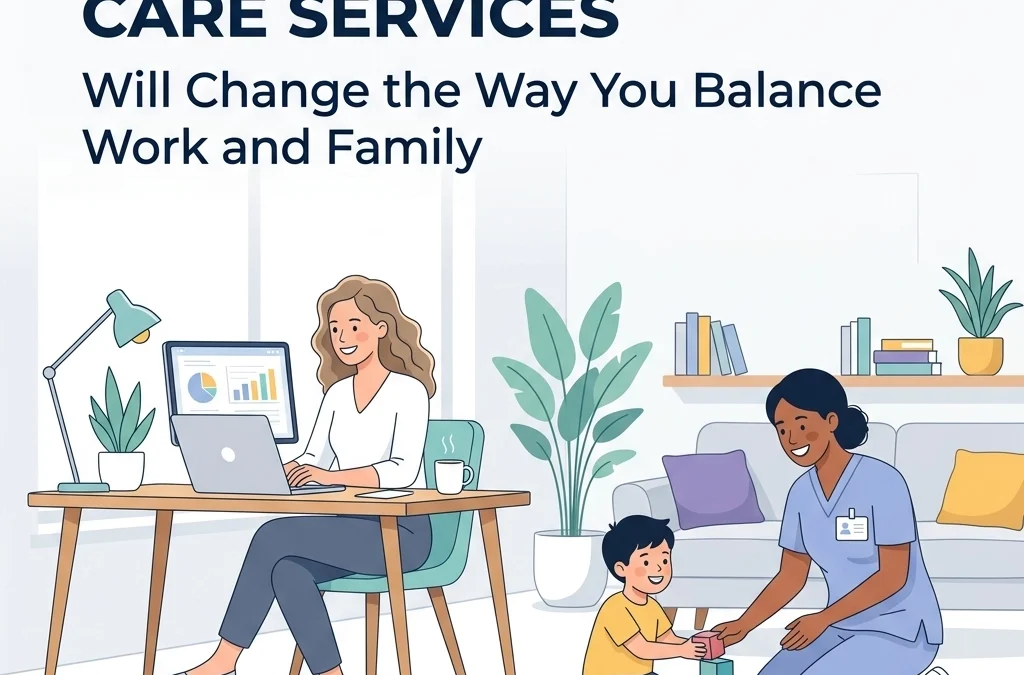
by admin | May 17, 2026 | Uncategorized
Let’s be real for a second: you are doing it all. You’re managing a demanding career, maybe raising kids of your own, and now, you’re noticing that your aging parents need a little extra help. It starts small: a missed medication here, a skipped meal there: but soon, your phone is buzzing during a boardroom meeting, and your mind is miles away, worrying if Dad remembered to turn off the stove.
This is the reality for the "Sandwich Generation." You’re squeezed between two generations that need you, and often, your own well-being (and your career) takes a backseat. But what if the solution wasn't choosing between your job and your family?
At Pure Heart Home Care, we believe that flexible in-home care services are the visionary bridge that allows you to be a devoted son or daughter without losing your identity as a professional. Here is how specialized support can transform your life and help your loved ones age with dignity.
What are flexible in-home care services?
If you’ve ever wondered, "What exactly are flexible home care services?" you aren't alone. Simply put, it is care that bends to fit your life, not the other way around. Unlike traditional facilities with rigid schedules, flexible in home care allows you to choose exactly when and how much support your family needs.
Whether it’s two hours of companionship care on a Tuesday morning or transitioning to 24 hour home care during a recovery period, flexibility is the core of modern support. It is about creating a personalized care plan that evolves as your parent’s needs change.
1. You Stop Being "On Call" 24/7
The heaviest burden of caregiving isn't the physical work: it’s the mental load. When you are the primary caregiver, you are never truly "off." You’re always waiting for the next emergency call.
When you bring in professional home care services, you are no longer the only person everything depends on. A professional caregiver takes over the essential but time-consuming tasks:
- Managing complex medication schedules.
- Assisting with bathing, dressing, and personal care support.
- Preparing nutritious meals that align with dietary needs.
- Providing safe transportation to medical appointments.
By offloading these responsibilities, you gain back your focus at work. You can sit through a presentation knowing Mom isn't just safe: she’s thriving.

2. Your Career Doesn't Have to Suffer
We’ve seen it happen too often: talented professionals turning down promotions, reducing their hours, or even quitting their jobs because the demands of senior home care become too much.
Flexible care changes this dynamic by offering "gap coverage." Maybe you only need someone there from 9:00 AM to 1:00 PM while you’re in your deepest focus block. Or perhaps you need a caregiver to stay late on Thursdays so you can attend networking events. This level of customization ensures that you stay on your career trajectory while ensuring your parents receive top-tier care.
If you are just starting to realize your parent might need help, check out our guide on 5 signs your aging parent needs in-home care services to help you decide when it’s time to act.
3. Why is companionship care essential for mental health?
One of the most overlooked aspects of aging is social isolation. While you’re at work, your parent might be spending eight hours in silence. Loneliness isn't just a feeling; it’s a health risk that can lead to cognitive decline and depression.
Companionship care goes beyond physical help. It’s about having someone there to share a cup of tea, play a game of cards, or go for a walk in a local Vancouver park. This social stimulation keeps the mind sharp and the spirit high. When your loved one is happy and socially engaged, the "caregiver guilt" you feel at the office begins to vanish.
We’ve seen how companionship care changes the way seniors live at home, turning a house back into a vibrant home.
4. Preventing the "Emergency Day Off"
Nothing throws off your work-life balance like a sudden crisis. A fall, a sudden bout of confusion, or a missed doctor's appointment can force you to drop everything and rush across town.
In-home caregivers act as your "eyes and ears." They notice the small changes: a slight limp, a change in appetite, or increased forgetfulness: long before they become emergencies. By maintaining a consistent routine and providing proactive personal care support, caregivers help prevent the very crises that disrupt your life.
5. The Power of Respite Care: Taking Your Life Back
We often talk about the health of the senior, but what about your health? Caregiver burnout is real, and it’s a fast track to physical and emotional exhaustion.
Respite care is a flexible service designed specifically for the family member. It’s a short-term break that allows you to take a vacation, handle your own medical appointments, or simply get a full night’s sleep. Using respite care services isn't an admission of defeat; it’s a visionary strategy to ensure you can continue caring for your loved one for the long haul.
How to choose the right in-home care plan?
Transitioning to professional help can feel overwhelming. Many families worry about the cost or the "stranger in the house" factor. The key is to start small and stay involved.
When looking for senior home care, ask these questions:
- Can the schedule be adjusted weekly if my work hours change?
- Do you match caregivers based on personality and interests, not just skills?
- How do you handle transitions if we eventually need 24 hour home care?
- What is your process for communication between the caregiver and the family?
Avoiding common pitfalls is also vital. We’ve put together a resource on 7 mistakes families make when choosing in-home care to help you navigate this journey smoothly.

Scaling as Needs Evolve
The beauty of flexible care is that it grows with you. Today, your dad might just need someone to help with the laundry and grocery shopping. A year from now, he might need more intensive personal care support.
By establishing a relationship with a home care agency early, you create a foundation of trust. If a health crisis occurs, you won't be scrambling to find help; you'll simply call the team that already knows your family’s heart and home. This scalability is the ultimate insurance policy for your work-life balance.
Finding the "Pure Heart" in Caregiving
At Pure Heart Home Care, we don't just see tasks; we see people. We know that every hour of care we provide is an hour of peace we give back to you. Our mission is to provide visionary support that honors the independence of seniors while empowering their families to live full, balanced lives.
If you are feeling the weight of the "sandwich," remember that you don't have to carry it alone. Flexible in home care is more than just a service: it’s a lifestyle change that brings harmony back to your home.
Are you ready to find the balance you’ve been looking for?
Explore our full range of home care services or reach out for a consultation. Let’s work together to create a plan that supports your career goals and keeps your family's heart at the center of everything.

by admin | May 16, 2026 | Uncategorized
By Penny | May 16, 2026
Watching a parent struggle with daily tasks while they adamantly insist they "don’t need any help" is one of the most stressful experiences a family can face. You see the stack of unopened mail, the expired milk in the fridge, or the slight wobble when they stand up from their favorite chair. You know that in home care could change their life for the better, but every time you bring it up, the conversation ends in an argument.
At Pure Heart Home Care, we talk to families every day who are caught in this exact tug-of-war. We know you’re coming from a place of love and protection. We also know that your parent is coming from a place of fear: fear of losing their home, their car, and their identity.
To help you navigate these choppy waters, we’ve put together a guide on how to avoid the biggest pitfalls when introducing home care services to a reluctant loved one.
Why do seniors refuse in-home care services?
Before you can fix the problem, you have to understand the "why." Most seniors don’t refuse help because they want to be difficult. They refuse because they equate help with a loss of autonomy. To them, a caregiver walking through the front door feels like the first step toward a nursing home.
Common fears include:
- Privacy concerns: Having a stranger in their personal space.
- Admitting weakness: Acknowledging that they can no longer do what they’ve done for 50 years.
- Financial worries: Thinking they will run out of money or become a burden on their children.
- Loss of control: Feeling like their children are now "parenting" them.
By recognizing these fears, you can move away from "telling" them what they need and toward "asking" how they want to live.
Pitfall #1: Turning the conversation into a power struggle
One of the biggest mistakes families make is trying to use logic and "proof" to win an argument. If you say, "You fell last week, so you clearly need senior home care," they will likely respond with, "I just tripped on the rug; it could happen to anyone!"
How to avoid it: Stop trying to win. Instead, use "I" statements to express your feelings. Instead of "You aren't safe," try saying, "I find myself worrying about you throughout the workday, and it’s making it hard for me to focus. I would feel so much better if I knew someone was checking in on you." This shifts the focus from their "deficits" to your peace of mind.

Pitfall #2: Going from zero to sixty too fast
If your parent is already resistant, suggesting 24 hour home care right out of the gate is a recipe for disaster. It feels overwhelming and permanent.
How to avoid it: Start small. We often suggest starting with companionship care. This doesn't feel like "medical" help. It feels like a personal assistant or a friend who helps with the grocery shopping, light meal prep, or driving to appointments.
By introducing a friendly face for just a few hours a week, your parent can build trust with a caregiver without feeling like their entire life has changed. You can learn more about how this works in our guide: Home Care Services 101: A Busy Adult Child’s Guide to Getting Started.
Pitfall #3: Waiting for a crisis to happen
Many families wait until a major fall or a hospital stay before they seriously look into home care services. By then, the parent is often traumatized, and the family is in "panic mode." Decisions made in a crisis are rarely the best ones.
How to avoid it: Look for the "red flags" early. Are they losing weight? Is their hygiene slipping? Are they becoming socially isolated? If you notice these 5 signs your aging parent needs in-home care services, it’s time to start the conversation: even if they seem "fine" for now.
Pitfall #4: Forgetting that it’s their home (and their life)
It’s easy to start talking about your parent instead of to them, especially when siblings are involved. When a group of adult children "ambushes" a parent with a pre-set plan, the parent will naturally dig in their heels to protect their dignity.
How to avoid it: Give them the power of choice. Ask them:
- "Would you prefer a male or female caregiver?"
- "Would you like someone to come in the morning or the afternoon?"
- "Which tasks would you like the most help with: the laundry or the cooking?"
When they feel like they are the "boss" of the caregiver, the dynamic changes from being "cared for" to "managing their household staff."
How can I introduce personal care support without causing embarrassment?
Personal care support (help with bathing, dressing, or toileting) is often the hardest type of care for a parent to accept from their own children. It can feel humiliating to have a daughter or son help with such private tasks.
Paradoxically, many seniors find it easier to accept this help from a professional. A professional caregiver from Pure Heart Home Care is a neutral third party. They are trained to maintain the client's dignity and privacy.
To introduce this, you might say: "Dad, I want to spend my time with you watching the game and chatting, not worrying about your laundry or helping you in the shower. Let’s get a professional to handle the 'work' so we can just enjoy being family again."
The importance of Respite Care for the "Sandwich Generation"
If you are currently the primary caregiver, you might be suffering from "burnout" without even realizing it. Many adult children try to do it all themselves because their parent refuses outside help. This is a dangerous pitfall that leads to physical and emotional exhaustion.
Respite care is designed for you. It allows you to take a break, go on a vacation, or just have a Saturday to yourself while knowing your parent is safe. Sometimes, framing the care as a "favor to you" is the only way a parent will accept it. "Mom, I need to take a weekend trip to recharge, and I’d feel so much better if [Caregiver Name] stayed with you while I’m gone."
For more on managing your own stress, check out our Vancouver family’s guide to respite care.
What if my parent has cognitive decline?
If your parent is dealing with early-stage dementia or Alzheimer's, logic will not work. In these cases, refusal is often a symptom of the disease, not a rational choice.
In these situations, you may need to move from "persuading" to "protecting." You don’t need to have a long debate about the merits of senior home care. Instead, you can introduce the caregiver as a "friend from the community center" or a "housekeeper." Keeping the routine consistent is key to reducing the anxiety that often leads to refusal.

Making the Vision a Reality: Why Pure Heart Home Care is Different
At Pure Heart Home Care, we don't just "provide a service." We believe in a visionary approach to aging: one where seniors are empowered to live their best lives in the comfort of their own homes.
We understand the delicate dance of family dynamics. Our caregivers aren't just there to check boxes; they are there to provide companionship care that feeds the soul. Whether it's sharing a cup of tea, looking through old photo albums, or ensuring that medication is taken on time, we do it with a "Pure Heart."
If you’re struggling with a parent who is refusing help, don't go it alone. We can help you strategize a gentle introduction to care that respects your parent's legacy while ensuring their future safety.
Quick Tips for Your Next Conversation:
- Pick the right time: Not during a holiday or right after a stressful doctor’s appointment.
- Listen more than you talk: Ask them what their "perfect day" looks like and see how care can make that happen.
- Use a trial period: Suggest trying home care services for just two weeks. It’s much easier to agree to a "test drive" than a permanent change.
- Consult a professional: Sometimes, hearing the recommendation from a doctor or a care coordinator carries more weight than hearing it from a child.
Aging is a journey, and while it comes with challenges, it doesn't have to be a battle. With the right approach and the right support, your parent can maintain their independence longer than you ever thought possible.
Ready to start the journey? Explore our In-Home Care 101 guide or reach out to us for a consultation. Let’s work together to keep the heart of your home beating strong.

by admin | May 15, 2026 | Uncategorized
If you’re reading this, you’re likely the "heart" of your family. You’re the one managing the schedules, the doctor’s appointments, and the daily well-being of an aging parent. At Pure Heart Home Care, we talk to families every day who are doing their absolute best, yet they feel like they’re running on a treadmill that’s moving just a little too fast.
You love your parents. You want them to age with dignity in the home they love. But let’s be real: sometimes the routine you’ve built starts to crack. Maybe there’s more tension at the dinner table, or maybe you’re realizing that "keeping an eye on things" has turned into a full-time job you weren't prepared for.
If things feel off, it’s not because you aren’t trying hard enough. It’s usually because the routine hasn’t evolved alongside your loved one’s needs. Here are 10 reasons your current senior care routine might be failing: and the visionary steps you can take to fix it today.
1. Why is focusing only on physical tasks not enough?
Many families approach senior home care like a checklist: Medication? Check. Lunch? Check. Bathing? Check. While these are vital, humans need more than just maintenance to thrive. If your routine ignores the emotional and social aspects of aging, your loved one may begin to withdraw or experience cognitive decline faster.
The Fix: Incorporate companionship care. It’s about more than just "sitting" with someone; it’s about shared stories, hobbies, and genuine connection. You can learn more about why companionship care is essential for Vancouver seniors to see how it bridges the gap between surviving and thriving.
2. Are you suffering from "Caregiver Tunnel Vision"?
When you’re the primary caregiver, it’s easy to get so close to the situation that you miss the "red flags." You might normalize behaviors: like Dad forgetting to turn off the stove or Mom skipping her showers: because you’re seeing them every single day.
The Fix: Get an outside perspective. Sometimes, a professional assessment can reveal things a family member might miss. Check out these 5 signs your aging parent needs in-home care services to help you look at the situation with fresh eyes.

3. Is "Respite Care" a missing piece of your puzzle?
We see it all the time: a devoted daughter or son who thinks asking for help is a sign of weakness. It’s actually the opposite. If you are burnt out, the quality of care you provide drops. Your patience wears thin, and your own health starts to suffer.
The Fix: Schedule regular respite care. This isn't about "quitting"; it's about recharging. Whether it’s a few hours a week or a full weekend, having professional home care services step in allows you to return to your role as a child rather than just a "manager." Check out our respite care 101 guide for tips on how to get started.
4. Does the routine lack consistency?
Seniors, especially those dealing with early-stage dementia or Alzheimer's, rely heavily on rhythm. If different family members are dropping by at random times, or if the "plan" changes every day, it creates anxiety and confusion for the senior.
The Fix: Create a visual, predictable schedule. This includes set times for meals, movement, and social interaction. When you hire in home care, a professional caregiver ensures this routine is followed strictly, providing a sense of security that "adhoc" family care often lacks.
5. Is the home environment actually working against you?
Your parents’ home was likely designed for a younger, more mobile family. A care routine that works in a "safe" environment will fail in a home filled with trip hazards, poor lighting, or inaccessible bathrooms.
The Fix: Conduct a home safety audit. Fix the loose rugs, install grab bars, and ensure the lighting is bright. Physical safety is the foundation of any successful personal care support plan. Without it, the best routine in the world can be undone by one preventable fall.
6. Are you over-relying on "Part-Time" solutions for "Full-Time" needs?
There is a tipping point in senior care where "checking in" is no longer enough. If your loved one is wandering at night or has high medical needs, a part-time routine will leave dangerous gaps.
The Fix: Evaluate if it’s time for 24 hour home care. Sometimes, having around-the-clock support is actually less stressful (and more cost-effective) than trying to patch together a dozen different solutions. Read our comparison on 24-hour home care vs. part-time support to find your family's "sweet spot."
7. Are you neglecting "The Lean" (Mobility Issues)?
"The Lean" is what we call it when a senior starts relying on furniture to move across a room. If your routine doesn't include active mobility support, their muscle mass will continue to decline, leading to a loss of independence.
The Fix: Integrate light physical activity and personal care support that encourages movement. A professional caregiver can assist with transfers and walking, ensuring they stay mobile for as long as possible. Keeping them moving is a visionary way to preserve their freedom.

8. Is nutrition becoming a "Cereal for Dinner" situation?
We often see seniors who "don't feel like cooking," so they resort to tea and toast. A lack of protein and vitamins leads to fatigue and brain fog, which makes your care routine feel even harder because their mood and energy are low.
The Fix: Meal preparation should be a core part of your home care services. It’s not just about the food; it’s about the ritual of a hot, nutritious meal. Having someone there to cook and share a meal can transform a senior’s entire outlook on the day.
9. Are you falling into the "Family Conflict" trap?
Nothing breaks a care routine faster than siblings disagreeing on "what’s best for Mom." If the routine is based on family consensus that doesn't exist, the care becomes inconsistent.
The Fix: Bring in a neutral third party. Often, a professional consultant from an in home care agency can act as a mediator, providing an objective plan based on professional standards rather than family history. It’s about moving from conflict to a unified vision for your parent's future.
10. Are you waiting for a crisis to make a change?
This is the number one reason routines fail. Families often wait for a fall, a hospital visit, or a major health scare before they adjust their care plan. By then, you’re making decisions under extreme stress.
The Fix: Be proactive. The best time to fix a routine is before it breaks. Start small with companionship care or a few hours of senior home care a week. This allows your loved one to get used to having help before they actually need it for survival.
How to transition to a routine that actually works
At Pure Heart Home Care, we believe that home is where the heart is: and where the best care happens. Transitioning from a struggling routine to a professional one doesn't mean you've failed; it means you’re a visionary leader for your family. You are choosing to prioritize quality of life over just "getting by."
If you’re feeling overwhelmed, you aren’t alone. Many families start exactly where you are. We recommend starting with a basic understanding of what's available. Our Home Care Services 101 guide is a great place for busy adult children to get their bearings.
What should you do next?
- Observe without judgment: Spend a day just watching the routine. Where does it feel "clunky"?
- Ask the hard questions: Is Mom lonely? Are you exhausted? Is the house safe?
- Reach out: You don't have to have all the answers. Sometimes, just a conversation with a professional can shine a light on the path forward.

Your parents spent a lifetime taking care of you. Now, you have the opportunity to ensure their final chapters are filled with comfort, dignity, and joy. Fixing your care routine isn't just about safety: it's about giving your family back the gift of time and peace of mind.
Ready to take the next step? Whether you need 24 hour home care or just a little companionship care to brighten their day, Pure Heart Home Care is here to help you build a routine that actually works: for everyone.

by admin | May 14, 2026 | Uncategorized
Deciding to bring professional help into your parent’s sanctuary: their home: is one of the most loving, yet difficult, choices a family can make. At Pure Heart Home Care, we see this journey as a beautiful opportunity to enhance a senior's independence, but we also know how easily things can go sideways.
Maybe you’ve noticed mom is skipping meals, or dad’s house isn’t as tidy as it used to be. You want the best for them, but navigating the world of in home care can feel like walking through a minefield. One wrong move, and your parent might dig their heels in, viewing support as an intrusion rather than a gift.
Randall often says that care isn't just about tasks; it's about the heart. To help you navigate this transition with grace, we’ve rounded up the seven most common mistakes families make and, more importantly, how to fix them before resistance sets in.
1. Waiting for a Crisis to Start Home Care Services
The Mistake: Many families wait until a fall, a hospital visit, or a major health decline before looking for home care services. By then, the situation is high-stress, and your parent is likely feeling vulnerable and defensive.
Why it causes resistance: When care is forced upon someone in a moment of weakness, it feels like a loss of control. It’s no longer a choice; it’s a consequence.
How to fix it: Start small and start early. Introduce companionship care as a way to "outsource the chores" rather than "nursing help." If you introduce a caregiver when things are still relatively stable, your parent can build a relationship based on friendship rather than medical necessity. Check out our guide on the 5 signs your aging parent needs in-home care services to spot those red flags early.
2. Excluding Your Parent from the Decision-Making Process
The Mistake: It’s tempting to handle everything behind the scenes to "save them the stress." You research agencies, look at costs, and then present the "solution" to them as a finished deal.
Why it causes resistance: No one likes being told how to live their life. For a senior who has been independent for 80 years, being excluded from this conversation feels like being treated like a child.
How to fix it: Make them the CEO of their care. Ask questions like, "What parts of the day are getting frustrating for you?" or "If someone could help with the heavy lifting or the grocery shopping, what would you do with that extra energy?" Empower them to help interview the caregiver. This turns "you need help" into "we are building a team to support your lifestyle."
3. Choosing Senior Home Care Based on Price Alone
The Mistake: Budget is important, but hiring the cheapest available option often leads to high turnover, lack of specialized training, and a "task-list" mentality rather than a relationship-first approach.
Why it causes resistance: If a caregiver is poorly trained or unhappy, your parent will feel it. A "revolving door" of different caregivers prevents trust from forming, making your parent feel like a number rather than a person.
How to fix it: Look for value and heart. Ask about the agency’s vetting process and how they match personalities. You want a caregiver who understands the vision of aging in place. Remember, personalized home care services are an investment in your parent’s safety and your peace of mind.
4. Skipping the Vetting Process and Background Checks
The Mistake: Sometimes families find a "nice person" in the neighborhood or through a quick online ad and hire them directly without formal background checks or verifying certifications.
Why it matters: Beyond the obvious safety risks, private hires often lack the backup support that an agency provides. If the caregiver gets sick, you are back to square one, often in the middle of a workday.
How to fix it: Use a reputable agency that handles the heavy lifting of background checks, insurance, and ongoing training. Before your first consultation, read our list of 10 things you should know to ensure you’re asking the right questions.

5. Failing to Define What "Personal Care Support" Actually Looks Like
The Mistake: Having vague expectations. You tell the agency "help with the house," but the caregiver doesn't know if that means scrubbing floors or just doing dishes.
Why it causes resistance: If the caregiver does too much, the parent feels smothered. If they do too little, the parent feels the care is useless. Both lead to "I don't need them here anymore."
How to fix it: Be specific. Create a "Care Vision" together. Does mom want help with her morning routine so she can spend the afternoon in the garden? Does dad need personal care support with bathing but wants to be left alone during his reading time? Clear boundaries and goals make for a harmonious home.
6. Not Planning for Evolving Needs (The 24-Hour Reality)
The Mistake: Assuming the current level of help is all they will ever need. Families often get stuck in a "part-time" mindset when the senior actually needs more consistent oversight.
Why it matters: When needs increase rapidly and you aren't prepared, the quality of care drops, and the risk of injury rises.
How to fix it: Understand the progression. You might start with a few hours of companionship a week, but you should have a plan for when 24 hour home care might become necessary. Being proactive prevents the "emergency move" to a facility. You can compare the differences in our post about 24-hour home care vs. part-time support.
7. Neglecting Your Own Need for Respite Care
The Mistake: The "I can do it all" complex. Many adult children try to provide 100% of the care themselves, using professional services only as a last resort.
Why it matters: Caregiver burnout is real. When you are exhausted, impatient, or stressed, your parent picks up on that energy. They might resist professional help because they feel guilty that they are "burdening" you.
How to fix it: View respite care as a tool for your longevity as a caregiver. By bringing in a professional for even a few hours a week, you get to return to being the "daughter" or "son" rather than just the "nurse." This preserves the family bond. Learn more about how to get the break you deserve in our Respite Care 101 guide.
Voice Search: Quick Answers for Busy Families
When is the best time to start in home care?
The best time is before a major health event. Starting with light companionship or help with household tasks allows your parent to get comfortable with the idea of having someone in the home while they are still feeling independent.
How can I get my parent to accept home care services?
Focus on their goals, not their limitations. Frame the care as a way for them to stay in their own home longer and keep doing the things they love. Involve them in the selection process to give them back a sense of control.
What is the difference between companionship care and personal care?
Companionship care focuses on social interaction and light household help (grocery shopping, meal prep, conversation). Personal care support involves hands-on help with "Activities of Daily Living" (ADLs) like bathing, dressing, and medication management.
The Vision: A Future Where Aging is Celebrated
At Pure Heart Home Care, we believe that every senior deserves to age with dignity, surrounded by the memories of their own home. Avoiding these mistakes isn't just about logistics: it's about protecting the emotional well-being of your family.
When you approach senior home care with a visionary mindset, you aren't just "hiring help." You are building a support system that allows your parent to thrive, not just survive.
https://cdn.marblism.com/YgGd_jsxtvp.webp
If you’re feeling overwhelmed or aren't sure how to start the conversation with your parent, we’re here to help. Whether you need a few hours of companionship care or are looking into more comprehensive support, our team is dedicated to providing care that comes straight from the heart.
Ready to take the next step?
Explore our Home Care Services 101 guide or reach out for a consultation today. Let’s work together to make sure your parent feels supported, safe, and truly at home.