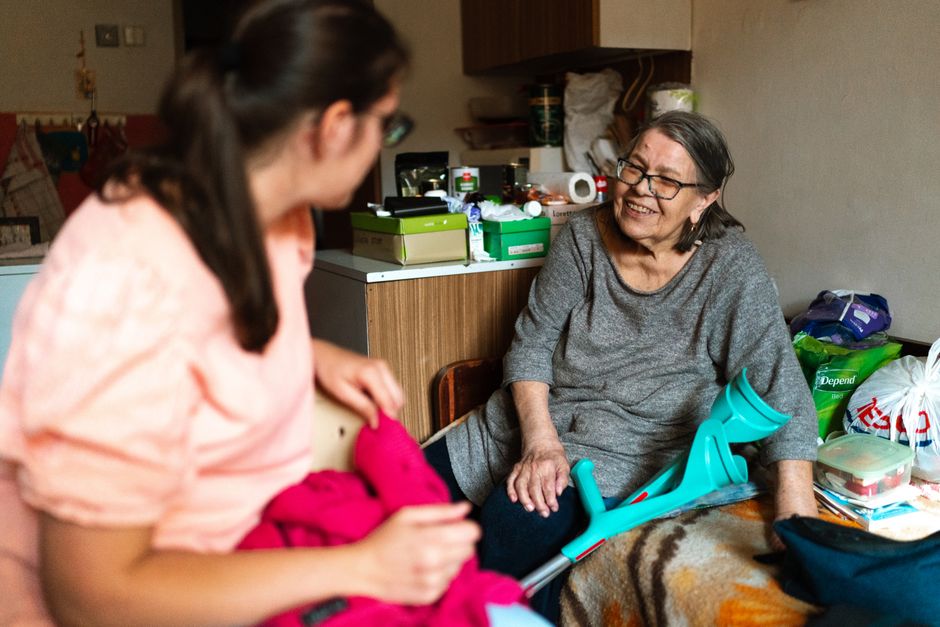
Deciding to bring a companion into your aging parent’s life is rarely a simple, clinical choice. It arrives wrapped in late-night worries, guilt about not being available enough, and a deep desire to do right by someone who spent decades doing right by you. If you are searching for a companion service Vancouver families trust, you are likely standing at that exact crossroads. The good news is that companion care is not a last resort or an admission that you are falling short. It is a proactive, life-enriching decision that protects your parent’s independence, fills their days with genuine human connection, and gives you the peace of mind that someone is watching out for them when you cannot be there. This guide walks you through everything you need to know: what companion care actually involves, how it differs from other care types, what to expect from Vancouver providers, and how to choose the right service for your family’s unique situation.
What Is Companion Care? Understanding Non-Medical Support for Seniors
Companion care is a form of non-medical, non-personal support designed to keep seniors socially engaged, safe, and thriving in their own homes. It is distinct from nursing care and from personal care, which involves hands-on assistance with bathing, toileting, dressing, and mobility. A companion caregiver does not perform clinical tasks like wound care, injections, or catheter management, nor do they provide the physical support that a certified Home Support Worker would offer in British Columbia.
Photo by SHVETS production on Pexels
Instead, companion care focuses on the daily rhythms that make a house feel like a home and a day feel meaningful. Core services typically include conversation and social engagement, meal preparation, light housekeeping, medication reminders, and transportation to appointments, grocery stores, and social outings. The companion’s role prioritizes emotional connection and routine over medical intervention. This makes it an ideal starting point for seniors who are largely independent but experiencing loneliness, mild forgetfulness, or the slow withdrawal that often accompanies aging alone.
In Vancouver, companion care is frequently the first step families take before transitioning to personal care or home support services as a senior’s needs evolve. It fills the gap between full independence and the point where physical assistance becomes necessary, allowing older adults to age in place longer and with greater dignity.
Companion Care vs. Personal Care vs. Nursing Care: Key Differences Vancouver Families Need to Know
Understanding the distinctions between care types helps families avoid overpaying for services they do not need or, worse, leaving critical gaps unaddressed. The three categories break down clearly.
Companion care covers social support, light housekeeping, companionship, and transportation. There is no hands-on physical care and no medical component. It is about presence, engagement, and safety through supervision.
Photo by Kobe – on Pexels
Personal care, often called home support in BC, includes bathing, dressing, grooming, toileting, transferring from bed to chair, and mobility assistance. These services require certified Home Support Workers who have completed specific training and registration in British Columbia. Several Vancouver agencies, including Shylo Home Healthcare, explicitly separate companion roles from Home Support Worker roles to ensure appropriate staffing and training for each level of need.
Nursing care involves clinical services such as medication administration, wound care, pain management, and post-surgical monitoring. These tasks are performed by registered nurses or licensed practical nurses and are typically ordered by a physician.
Many families layer these services over time. A senior might start with four hours of companion care twice a week, then add personal care hours as mobility declines, and eventually incorporate nursing visits after a hospital stay. This graduated approach allows seniors to remain at home through changing health circumstances without the disruption of moving between providers or facilities.
Why Companion Care Matters: The Science of Social Connection for Vancouver Seniors
Loneliness is not merely an emotional experience. It carries measurable health consequences. Research cited by Home Instead, drawing on findings from the National Institute on Ageing, links social isolation to increased risks of cognitive decline, heart disease, and premature mortality. For seniors living alone, the absence of regular social contact can be as damaging as a poor diet or a sedentary lifestyle.
Vancouver’s senior population is growing rapidly, and many older adults live alone in neighbourhoods like Marpole, Kerrisdale, Dunbar, Kitsilano, and the West End. Adult children often live in different cities or provinces, and even those who remain nearby juggle careers, children, and commitments that make daily visits impossible. A weekly phone call, while valuable, cannot reveal whether meals are being skipped, medications are being forgotten, or a parent is spending days without speaking to another person.
Regular companion visits provide structure and routine. A familiar face arriving on Tuesday morning for coffee and conversation, or a Wednesday afternoon drive to the grocery store, anchors the week. Companions also serve as an early warning system. They notice when a senior appears unkempt, confused, or unusually withdrawn, changes that family members might miss between visits. These observations can trigger earlier interventions, preventing small declines from becoming crises. The emotional benefits of companionship are not simply nice to have; they are protective factors that help seniors maintain independence longer and reduce hospital readmission rates.
What to Expect from a Companion Service in Vancouver: Services, Scheduling, and Costs
Typical Services Included in Companion Care Plans
Companion care plans are built around the senior’s preferences, but most include a core set of services. Conversation and social engagement sit at the centre, whether that means playing cards, looking through photo albums, discussing current events, or simply sharing a cup of tea. Meal planning and preparation follow dietary needs and personal tastes, ensuring that nutritious food is available and that eating becomes a social activity rather than a solitary chore.
Light housekeeping keeps the home environment safe and pleasant. This typically includes dishes, laundry, tidying, and vacuuming high-traffic areas, but not deep cleaning or heavy maintenance. Medication reminders are verbal prompts only; companions do not administer medications but help seniors stay on schedule. Transportation covers medical appointments, grocery shopping, social outings, and errands. Some providers, like Nurse Next Door, specifically offer travel companions for shopping trips and excursions, turning routine errands into enjoyable outings.
Scheduling Flexibility and Minimum Visit Durations
Minimum visit lengths vary across Vancouver providers, and this is an important detail to clarify early. Ohana Care requires a minimum of four hours per visit. Classic LifeCare offers shorter minimums of two to three hours. These differences matter for families working within a budget or for seniors who only need brief check-ins rather than extended visits.
Some agencies, including Empathy Health, offer same-day care and 24-hour support with round-the-clock phone access for families. Most providers emphasize caregiver continuity, assigning the same companion to each visit to build trust and familiarity. Shylo Home Healthcare calls this “Consistency of Care,” and it is a priority worth asking about during any initial consultation. Scheduling can be arranged daily, weekly, or on an ad hoc basis depending on what the senior needs and what the family prefers.
Understanding Companion Care Costs and Insurance in Vancouver
Transparent pricing is notably absent from most Vancouver agency websites. Nearly every provider requires families to call for a quote, which makes direct comparison difficult. Companion care is generally not covered by the BC Medical Services Plan or standard health insurance. It is typically paid privately, though some extended health benefits plans or veterans’ programs may offer partial coverage. Shylo Home Healthcare advises families to check with their insurance provider directly, but no agency provides a clear breakdown of what is typically covered.
When discussing costs, families should ask about cancellation policies, holiday rates, and any additional fees for technology platforms or membership programs. Ohana Care, for example, offers a remote monitoring service called Ohana Connect for $99 per month, an add-on that may or may not be necessary depending on the family’s situation. Getting these details in writing before committing prevents surprises later.
How to Choose the Right Companion Care Provider in Vancouver
Credentials, Experience, and Reputation to Look For
A provider’s track record offers meaningful insight. Classic LifeCare has served Vancouver families for 50 years and holds Accreditation Canada certification, which signals adherence to national quality standards. Shylo Home Healthcare has operated for more than 25 years, with an owner who is a registered nurse and certified gerontological nurse. Home Instead has served Burnaby and Vancouver since 2014 and holds a 4.9-star Google rating from 80 reviews, a strong indicator of consistent client satisfaction.
Caregiver screening processes matter just as much as agency longevity. Look for providers who conduct criminal background checks, carry bonding and insurance, and invest in ongoing training for their companions. Empathy Health and Home Instead both emphasize these safeguards, and any reputable agency should be willing to describe their hiring and screening standards in detail.
Questions to Ask During a Free In-Home Assessment
Most Vancouver providers, including Shylo, Classic LifeCare, and Empathy Health, offer free in-home assessments. These consultations are opportunities to evaluate fit, not just formalities to rush through. Ask how the agency matches companions to clients based on personality, interests, and language. A companion who shares a senior’s love of gardening or classical music will build rapport faster than one assigned solely by schedule availability.
Request details on backup plans. If the regular companion is sick or on vacation, who fills in, and how is the senior notified? Clarify communication tools as well. Does the agency provide care notes after each visit? Is there a family portal, like the one Classic LifeCare offers, or an app for real-time updates? Discuss what happens if needs change over time. Can companion hours be increased or services upgraded to personal care without switching agencies? The best providers make transitions seamless.
Considering Vancouver's Unique Cultural and Language Needs
Vancouver is one of Canada’s most multicultural cities, with large Chinese, Punjabi, Filipino, and Korean communities, among many others. Yet no top-ranking provider explicitly addresses language matching or culturally specific care on their websites. This is a significant gap. A senior whose first language is Cantonese or Punjabi may feel isolated even with a companion present if they cannot communicate comfortably. Cultural traditions around food, holidays, and daily routines also shape whether care feels supportive or foreign.
Families should ask directly whether companions speak the senior’s preferred language and understand relevant cultural practices. Pure Heart Homecare recognizes that culturally sensitive companion matching is not a niche preference; it is a core component of quality care in a city as diverse as Vancouver.
Companion Care for Specific Situations: Dementia, Post-Hospital Recovery, and More
Companion care adapts to a wide range of circumstances beyond general loneliness. For seniors with dementia or Alzheimer’s, companions provide supervision, redirection, and engagement that can reduce wandering, agitation, and sundowning. Several Vancouver agencies, including Shylo and Classic LifeCare, explicitly mention memory care as part of their companion services.
After a hospital stay, companion care helps seniors transition home safely. The companion ensures meals are prepared, medications are taken on schedule, and follow-up appointments are kept, reducing the risk of readmission. For those with Parkinson’s or other chronic conditions, companions support exercise routines, encourage mobility, and monitor for changes that warrant medical attention.
Some families seek companion care during palliative stages, not for physical needs but for presence. Someone to sit with a loved one, read aloud, or simply be there. Companion care also provides respite for family caregivers, the adult children or spouses who carry the daily weight of caregiving and need time to rest, work, or attend to their own health. A few hours of companion coverage each week can prevent the burnout that threatens the sustainability of family caregiving.
Frequently Asked Questions About Companion Service in Vancouver
What is the difference between a companion and a home support worker in BC?
Companions provide non-medical, non-personal support focused on social engagement, safety, and light household tasks. Home support workers are trained and certified to assist with bathing, dressing, toileting, and mobility. The distinction is regulated, and reputable agencies staff each role separately.
Does MSP or ICBC cover companion care?
Generally, no. Companion care is private-pay. Some extended health benefits plans or veterans’ programs may offer partial coverage, but families should verify directly with their insurer. MSP does not cover non-medical companion services.
How many hours per week does a senior typically need companion care?
Patterns vary widely. Common arrangements include four to twelve hours per week for social support and light assistance, or twenty or more hours for seniors who need greater structure and supervision. The right number depends on the senior’s isolation level, cognitive status, and family availability.
Can companion care be arranged on short notice in Vancouver?
Yes. Empathy Health and other providers offer same-day care, though availability depends on caregiver matching and geographic area. It is always better to plan ahead, but urgent needs can often be accommodated.
How do I know if my parent needs companion care versus personal care?
If your parent is physically independent but lonely, forgetful, or increasingly withdrawn, companion care is likely sufficient. If they need help with bathing, toileting, or transferring from bed to chair, personal care is required. A free in-home assessment can clarify the appropriate level.
What happens if my parent’s needs increase over time?
Most Vancouver agencies allow families to add hours or transition to personal care without switching providers. Ask about this pathway during the initial assessment so you understand how the agency handles changing needs.
Take the Next Step: Finding the Right Companion for Your Loved One in Vancouver
Companion care is a compassionate, forward-looking choice that helps seniors thrive at home while giving families the confidence that someone reliable and kind is present. It is not about replacing family; it is about strengthening the circle of support around a person you love.
Pure Heart Homecare invites Vancouver families to schedule a free, no-obligation in-home assessment to discuss your loved one’s unique needs, personality, and preferences. Our caregivers are carefully screened, trained, and matched to ensure compatibility and consistency, because the relationship between companion and senior is the foundation of quality care. We serve neighbourhoods across Vancouver, including Marpole, Dunbar, Kerrisdale, Kitsilano, the West End, and beyond.
If you have been wondering whether companion care is the right step, the answer often becomes clear once you talk through your situation with someone who understands. Contact us today to learn more about our companion service in Vancouver and how we can support your family.
When your aging parent starts needing help, the world of healthcare can feel like a massive, complicated puzzle. On one hand, you have the medical side, doctors, prescriptions, and physical therapy. On the other hand, there’s the day-to-day reality of life, getting dressed, making lunch, and just having someone to talk to.
For many families in Vancouver, the biggest challenge isn't finding help; it’s making sure that the different types of support work together. You want your parent to be safe, healthy, and happy, but how do you bridge the gap between a clinical treatment plan and the simple, human need for companionship?
Integrating non-medical home care with medical needs is the "secret sauce" to aging in place successfully. It’s how you move from just "managing" to actually thriving. In this guide, we’ll show you exactly how to combine these services for total peace of mind.
What is the difference between medical and non-medical home care?
This is the most common question we hear from families. It’s easy to get the two confused because they both happen inside the home, but they serve very different purposes.
Medical Home Care (Home Health) is clinical. It is usually prescribed by a doctor and provided by licensed professionals like Registered Nurses (RNs) or Physical Therapists. Think of it as "bringing the hospital to the house." It includes things like wound care, managing complex injections, or post-surgery rehabilitation.
Non-Medical Home Care (Home Support) is lifestyle-focused. It’s provided by trained caregivers who help with the "Activities of Daily Living" (ADLs). This includes personal care support, meal preparation, light housekeeping, and companionship care.
At Pure Heart Home Care, we focus on the non-medical side because we believe that while medicine adds years to life, care adds life to years. When you integrate the two, you create a holistic safety net that covers every angle of your parent's well-being.
Why should you integrate medical and non-medical services?
You might wonder, "If my mom has a nurse coming twice a week, why does she need a caregiver too?"
The reality is that medical visits are often brief. A nurse might be there for 30 minutes to check blood pressure and change a bandage, but they won't be there to make sure your mom actually eats a balanced lunch or to notice that she’s feeling a bit lonely and hasn't left her chair all day.
By integrating home care services with medical treatment, you get:
Continuous Monitoring: Our caregivers are the "eyes and ears" in the home. If a new medication is causing dizziness or a change in appetite, we notice it immediately and can alert you or the medical team.
Adherence to Medical Advice: A doctor might say, "Eat low-sodium and walk for 10 minutes a day." A non-medical caregiver is the one who actually prepares that low-sodium meal and walks beside your parent to ensure they don't fall.
Emotional Resilience: Medical treatments can be stressful. Having a familiar, friendly face for companionship reduces anxiety, which actually helps the body heal faster.
5 Steps to integrate care for your aging parent in Vancouver
1. Start with a comprehensive needs assessment
Before you hire anyone, you need a clear picture of the landscape. Talk to your parent’s primary doctor or specialist. What are the strictly clinical requirements? Then, look at the home environment. Is your parent struggling to bathe? Are they forgetting to take their pills?
We always recommend starting with a personalized care plan that outlines exactly where the medical needs end and the lifestyle support begins.
2. Choose agencies that value communication
The biggest hurdle to integrated care is "silos", when the nurse doesn't talk to the caregiver, and the family is left in the middle trying to play telephone.
When looking for senior home care, ask the agency how they coordinate with other providers. At Pure Heart Home Care, we pride ourselves on being part of your parent's "Care Team." We are happy to keep notes that medical professionals can review and to follow the guidelines set by your parent’s doctors.
3. Create a shared "Care Hub"
Whether it’s a physical binder in the kitchen or a shared digital app, there should be one place where all information lives. This should include:
A current list of medications.
The schedule for medical appointments.
Daily notes from caregivers (e.g., "Mom drank 4 glasses of water today" or "Dad seemed a bit confused this morning").
Emergency contact numbers.
4. Use medication reminders to bridge the gap
While non-medical caregivers cannot "administer" medication (like giving an injection), they are vital for medication reminders. This is one of the most critical points of integration. If a doctor prescribes a complex regimen of pills, our personal care support ensures those pills are taken at the right time, every time. This prevents the medication errors that often lead to hospital readmissions.
5. Adjust as needs change
Health isn't static. After a hospital stay, your parent might need 24 hour home care for a few weeks, which can then be scaled back to a few hours of companionship as they recover. Integration means having a flexible plan that grows and shrinks based on the current medical reality.
How do I know if my parent needs 24-hour care or just part-time help?
Deciding on the level of care is a big step. Often, the medical condition dictates this. For instance, if a parent has advanced dementia or is a high fall risk, 24-hour home care provides the constant supervision needed to keep them safe.
However, many families start with respite care. This allows the primary family caregiver to take a break while a professional steps in to handle the non-medical tasks. It’s a great way to "test the waters" of integration without making a full-time commitment right away.
The Pure Heart approach: Visionary care for Vancouver families
We don't just see ourselves as "helpers." We see ourselves as partners in your parent's journey. Our caregivers are carefully screened and trained not just to perform tasks, but to build relationships.
When you combine our home care services with your parent's medical plan, you are creating a home environment that is as safe as a facility but as warm and familiar as… well, home.
Common questions about integrating home care (Voice Search FAQ)
Can a home care worker give my parent their medication?
In British Columbia, non-medical caregivers can provide medication reminders and assistance with opening containers or handing the parent their pre-pilled organizer. However, they cannot "administer" medication in a clinical sense (like calculating dosages or giving injections) unless they have specific nurse delegation training for that specific client.
How much does senior home care cost in Vancouver?
Costs vary based on the level of care needed: from a few hours of companionship to round-the-clock support. Many families find that integrating non-medical care is more cost-effective than a full-time nursing facility, especially when it prevents expensive hospital visits due to falls or dehydration.
Does medical insurance cover non-medical home care?
Typically, basic BC Medical (MSP) does not cover non-medical home support. However, many long-term care insurance policies and some extended health benefits do. It is always worth checking your parent's specific policy.
What is the difference between "Home Health" and "Home Care"?
"Home Health" is medical (nurses, therapists) and is usually short-term and task-based. "Home Care" is non-medical (caregivers, companions) and is often long-term, focusing on the overall quality of daily life.
Conclusion: You don't have to do this alone
The goal of integrating non-medical care with medical needs is simple: total peace of mind.
It means knowing that while the doctors are looking at the charts, a Pure Heart caregiver is looking at your parent: making sure they are hydrated, nourished, safe, and most importantly, happy.
If you’re feeling overwhelmed by the logistics of caring for your aging parent in Vancouver, let’s talk. We can help you navigate these options and build a plan that lets your parent age with the dignity and respect they deserve.
Ready to find the perfect balance for your family?Contact Pure Heart Home Care today for a free consultation and let us help you bring the heart back into home care.
Deciding how to help an aging parent or relative is one of the most emotional and complex journeys a family can take. If you live in Vancouver, you know that while our city is beautiful, navigating the healthcare landscape can feel overwhelming. You want the best for your loved ones: safety, dignity, and the comfort of their own home: but you might not know where to start.
"Senior home care" is a term that gets tossed around a lot, but what does it actually look like on a Tuesday afternoon? Is it just someone doing the dishes, or is it medical support? How do you balance public health services with private options?
In this guide, we’re breaking down everything you need to know about senior home care in Vancouver. Whether you’re looking for a few hours of help a week or 24 hour home care, this is your starting point for making an informed, compassionate decision.
What is in-home care for seniors?
At its heart, in home care is a range of support services provided within a person’s residence to help them live as independently as possible. In Vancouver, this can range from basic social visits to complex personal care. The goal is always the same: to allow seniors to age in place: where they are most comfortable: rather than moving into an institutional setting.
For many families, this is a visionary step toward a better quality of life. It’s not just about "surviving" old age; it’s about thriving in a familiar environment surrounded by memories and community.
What are the different types of home care services?
Not every senior needs the same level of support. Understanding the "flavors" of care available in the Lower Mainland will help you tailor a plan that fits your family's needs.
1. Companionship Care
Sometimes, the biggest hurdle to aging at home is loneliness. Companionship care focuses on social interaction and emotional well-being. This might look like:
Going for a walk along the Seawall.
Playing a game of cards or working on a puzzle.
Accompaniment to doctor appointments or community centers.
As mobility or cognitive health changes, a senior might need "hands-on" assistance. Personal care support involves help with the activities of daily living (ADLs). This includes:
Bathing and grooming.
Dressing and toileting.
Medication reminders.
Assistance with transfers (getting from the bed to a chair).
If you are the primary caregiver for your parent, you know how exhausting it can be. Respite care provides a temporary break for family members. It allows you to recharge, go to work, or take a vacation, knowing your loved one is in safe hands. It’s not a luxury; it’s a necessity to prevent caregiver burnout. We’ve put together a comprehensive guide to respite care in Vancouver to help you get started.
4. 24 Hour Home Care
For those with advanced dementia, high fall risks, or chronic conditions, 24 hour home care provides around-the-clock safety. This ensures that someone is always awake and available to help, no matter the time of night. You can read more about choosing between 24-hour and part-time support here.
How much does senior home care cost in Vancouver?
Money is a practical concern for every family. In Vancouver, you generally have two paths:
Public Support (Vancouver Coastal Health): VCH provides home support based on a financial assessment. You don't pay an hourly rate; instead, you pay a daily fee based on the senior's income. However, public hours are often limited and strictly focused on essential personal care.
Private Home Care Services: Private agencies like Pure Heart Home Care offer more flexibility. Rates in Vancouver typically start around $35 per hour for companionship and increase for specialized nursing or 24/7 care.
Most families find a "hybrid" model works best: using VCH for basic needs and private care for the extra hours that provide true peace of mind and quality companionship.
When is it time to get help?
It’s a question every adult child asks: "Is it too early? Or have I waited too long?" Often, families wait for a crisis: like a fall or a hospital visit: before looking for home care services.
Keep an eye out for these "red flags":
The fridge is full of expired food or is completely empty.
Unexplained bruises (possible falls).
Missed medications or doctor's appointments.
Declining hygiene (wearing the same clothes for days).
Finding a caregiver is about more than just a resume; it’s about a "heart connection." When you’re interviewing agencies, ask the following:
How do you screen and train your caregivers?
Do you provide a personalized care plan tailored to my parent’s unique personality?
What happens if a caregiver is sick or can't make it?
Can we start with just a few hours and increase later?
At Pure Heart Home Care, we believe that every senior deserves to be treated with dignity and respect. Our caregivers are carefully vetted not just for their skills, but for their compassion.
The Pure Heart approach
We aren't just another agency. We are a team of visionaries who believe that aging should be an inspirational chapter of life, not a period of decline. By focusing on the heart of the home, we provide a level of care that feels like family.
If you’re ready to see how personalized care can change your family's life, we’re here to help. Whether you need a simple companionship visit or comprehensive 24-hour support, our goal is to keep your loved one safe, comfortable, and happy at home.
Ready to take the next step?
Getting started doesn't have to be scary. Check out our Beginner's Guide to In-Home Care or contact us today for a free consultation. Let's build a care plan that truly works for you.
Frequently Asked Questions about Senior Home Care in Vancouver
What is the difference between home care and home health care? Home care typically refers to non-medical support, such as help with daily activities (bathing, dressing) and companionship. Home health care usually involves clinical services provided by a nurse or therapist, such as wound care or physical therapy.
Can caregivers help with medication? In BC, non-medical caregivers can provide medication reminders to ensure a senior takes their pills on time. If the senior requires specialized administration (like injections), a licensed nurse is usually required.
Is there a minimum number of hours for home care visits? Most agencies in Vancouver, including Pure Heart Home Care, have a minimum visit length (often 3 hours) to ensure the caregiver can provide quality, unhurried care and build a real relationship with the senior.
How do I talk to my parent about accepting help? Start the conversation early and focus on "independence." Explain that home care isn't about taking away their freedom: it's the tool that allows them to stay in their home safely and avoid moving to a facility.
Deciding how to best support an aging parent is one of the most significant choices a family can make. In a vibrant city like Vancouver, where the pace of life is fast and the scenery is beautiful, many seniors want nothing more than to stay right where they are: in the comfort of their own homes.
But as needs change, "aging in place" requires more than just a desire to stay home; it requires a plan. Whether you are an adult child living in Kitsilano trying to help a parent in Burnaby, or you’re a senior looking to maintain your independence, this guide is designed to help you navigate the world of elder care at home in Vancouver.
What is elder care at home?
In its simplest form, in home care refers to a wide range of support services provided within a person’s residence. These services are designed to help seniors and individuals with disabilities live as independently as possible.
The beauty of home care services is their flexibility. Unlike moving to an assisted living facility, home care can be scaled up or down. It can start with a few hours of companionship care a week and transition into 24 hour home care if the need arises.
Why do families choose home care services in Vancouver?
Independence: Seniors keep their routines, their pets, and their familiar surroundings.
Safety: Personalized care reduces the risk of falls and medication errors.
One-on-One Attention: Unlike in a facility, the caregiver's sole focus is on your loved one.
Peace of Mind: Families can rest easy knowing a professional is providing personal care support.
Key types of home care services you should know
Not every senior needs the same level of help. Understanding the categories of care will help you decide what's best for your family.
1. Companionship Care
Isolation is a significant health risk for seniors. Companionship care focuses on social interaction and emotional support. This might include going for a walk in Stanley Park, playing a game of cards, or simply having a meaningful conversation over tea. It’s about keeping the spirit high and the mind engaged. Learn more about why companionship care is essential for Vancouver seniors.
2. Personal Care Support
As we age, daily tasks like bathing, dressing, and grooming can become challenging. Personal care support provides dignified assistance with these private matters. Our caregivers are trained to treat every client with the utmost respect, ensuring they feel comfortable and clean every day. Is personal care right for your loved one? Find out here.
3. Respite Care for Family Caregivers
Caring for a parent is a labor of love, but it’s also exhausting. Respite care provides temporary relief for family caregivers. Whether you need a few hours to run errands or a week to take a vacation, respite care ensures your parent is safe while you recharge. Read our Respite Care 101 guide for Vancouver families.
4. 24 Hour Home Care
For those with advanced dementia, chronic conditions, or significant mobility issues, 24 hour home care provides around-the-clock peace of mind. This ensures that someone is always there to assist with nighttime trips to the bathroom or emergency situations.
How to find senior home care in Vancouver?
Finding the right provider can feel overwhelming. Start by asking yourself these questions:
What specific tasks do we need help with? (Meal prep, medication reminders, mobility?)
What is our budget? (Private pay vs. subsidized health authority care.)
What is the desired schedule? (Mornings only, weekends, or full-time?)
When you begin interviewing agencies, look for a "Pure Heart." At Pure Heart Home Care, we believe that the best care comes from a place of genuine compassion. We screen our caregivers not just for their skills, but for their hearts.
How much does elder care at home cost in Vancouver?
Cost is a major consideration for most families. In Vancouver, the cost of senior home care varies depending on the level of expertise required and the number of hours.
Generally, you can expect:
Publicly Funded Care: Through Vancouver Coastal Health, some seniors qualify for subsidized hours. However, these are often limited and may not cover all needs.
Private Home Care: This offers the most flexibility. Rates typically range between $35 and $50 per hour in the Vancouver area. While this is an out-of-pocket expense, it is often significantly more affordable than the monthly cost of a high-end long-term care facility, especially when care is only needed for part of the day.
Five signs your aging parent needs in-home care services
Sometimes, it's hard to tell when "aging" turns into a need for professional help. Keep an eye out for these red flags:
Poor Hygiene: Unwashed clothes or a noticeable change in body odor.
Weight Loss: Often a sign that cooking or grocery shopping has become too difficult.
Unexplained Bruising: This could indicate frequent falls that are being kept secret.
Social Withdrawal: Stopping hobbies or avoiding phone calls.
A Messy House: Laundry piling up or expired food in the fridge.
Bringing a "stranger" into the home can be a sensitive topic for many seniors. Here is how to make it easier:
Start Small: Begin with just a few hours of companionship care to build trust.
Involve the Senior: Let them help choose the caregiver or the schedule.
Focus on the "Support," not the "Care": Frame it as a way for them to stay independent longer, rather than a loss of control.
Be Patient: It takes time to build a relationship.
Why Pure Heart Home Care?
At Pure Heart Home Care, we don't just provide "services": we provide a lifeline. Our personalized care plans are tailored to the unique needs of every Vancouver family we serve. Whether you need a few hours of respite care or dedicated 24 hour home care, we treat your family like our own.
We understand the unique challenges of navigating the Vancouver healthcare landscape. Our commitment is to ensure that your loved ones age with dignity, respect, and the comfort of home.
Ready to take the next step?
Navigating elder care doesn't have to be a solo journey. If you’re looking for reliable in home care in Vancouver, we are here to help. Contact us today to schedule a free consultation and learn how we can support your family’s unique needs.
Choosing the right care for an aging parent is one of the most emotional and complex decisions a family will ever make. If you’ve been scrolling through websites or visiting facilities in the Lower Mainland, you’ve probably asked yourself a heavy question: "Is a nursing home bad?"
The short answer is no, nursing homes are not inherently "bad." They provide essential, high-level medical support for those who need constant clinical supervision. However, for many Vancouver families, the traditional institutional model is no longer the first choice. Instead, they are turning toward in home care to provide a life that is not just "cared for," but truly lived.
At Pure Heart Home Care, we see the shift every day. Families aren't just looking for a place to put their loved ones; they are looking for a way to keep them where they are happiest. In this guide, we’ll explore why the choice between a facility and home care services is changing and why staying home might be the most inspirational path for your family.
Is a Nursing Home Actually "Bad"? Understanding the Reality
When we think of nursing homes, many of us still have outdated images of sterile hallways and lonely dining rooms. Modern facilities have come a long way, but the core issue remains: they are institutions.
A nursing home is designed for efficiency and medical safety. This means schedules are fixed, meals are at 8:00 AM, 12:00 PM, and 5:00 PM. Bathing happens on a rotation. Your loved one is one of twenty or thirty residents assigned to a small team of staff.
For a senior who is still relatively independent but needs some personal care support, this loss of autonomy can feel like a heavy blow. This is why many families feel a sense of guilt when considering a facility. They aren’t worried about the "bad" care; they are worried about the loss of "home."
The Shift Toward Aging in Place in Vancouver
Vancouver is a city that celebrates life, nature, and independence. It’s no surprise that local seniors want to stay in the communities they’ve helped build. "Aging in place" isn’t just a buzzword; it’s a movement toward maintaining dignity.
Choosing senior home care allows your parent to wake up in their own bed, look out at their own garden, and eat their favorite meals on their own schedule. It preserves the small joys that make life meaningful, joys that are often lost in the transition to a facility.
Why Families are Choosing In-Home Care Services
Why are so many families in the West End, Kitsilano, and North Vancouver opting for home care? Here are the top reasons we hear from the families we serve:
1. One-on-One Personalized Attention
In a facility, staff are often stretched thin. In contrast, in home care provides a dedicated caregiver whose only focus is your loved one. Whether it’s help with mobility or simply a meaningful conversation, the care is tailored to the individual’s personality and needs.
2. Maintaining Independence and Routines
Independence is the cornerstone of mental health for seniors. Being able to decide when to go for a walk or which movie to watch provides a sense of control. Our companionship care focuses on keeping seniors engaged in their own lives, not just supervising them.
3. Safer and Healthier Environments
If we learned anything from recent years, it’s that congregate living settings can pose higher risks for infections. By staying at home, seniors significantly reduce their exposure to seasonal illnesses and healthcare-associated infections.
4. Cost-Effective Flexibility
Many people assume home care is more expensive, but that’s rarely the case for moderate needs. You can start with a few hours of respite care to give yourself a break, and scale up as needs change. You only pay for the hours you actually use, rather than a flat, high-cost monthly room-and-board fee.
Comparing the Costs: Nursing Home vs. Home Care
Let’s talk numbers. In British Columbia, the cost of private long-term care can be staggering, often exceeding $7,000 to $10,000 per month. Even subsidized beds require a significant portion of a senior's income.
Home care services offer a modular approach:
Part-time support: Ideal for meal prep, medication reminders, and light housekeeping.
Personal care support: Assistance with bathing, grooming, and mobility.
24 hour home care: For those who need round-the-clock safety but refuse to leave their house.
For many families, hiring an agency for 20-40 hours a week is significantly more affordable than a private facility, while providing a much higher quality of life. For a deeper dive into this, check out our guide on 24-hour home care vs. part-time support.
Is 24-Hour Home Care a Realistic Alternative?
A common concern for families is: "What if they fall in the middle of the night?"
This is where 24 hour home care becomes a game-changer. It provides the same level of supervision as a nursing home but within the comfort of a private residence. A caregiver is always awake and alert, ready to assist. It’s the ultimate peace of mind for adult children who might live across the country or even just across town but can’t be there overnight.
If you are seeing red flags that your parent needs help, it doesn't mean a move is inevitable. It just means the support system needs to be strengthened.
How to Know Which Choice is Right for Your Family?
Deciding between a nursing home and home care isn't about choosing "good" vs "bad." It's about choosing the right fit for your parent's current medical and emotional state.
Consider Home Care if:
Your parent values their independence and wants to stay in their own home.
They are medically stable but need help with "Activities of Daily Living" (ADLs).
They have a beloved pet they don't want to leave.
You want to remain deeply involved in their daily care and routines.
Consider a Nursing Home if:
They require specialized medical equipment or 24/7 nursing intervention that can’t be managed at home.
Their safety is at extreme risk (e.g., advanced wandering due to dementia that home modifications can't fix).
The cost of 24/7 home care exceeds your family's budget and facility care is more accessible.
Pure Heart Home Care: Bringing the Care to You
At Pure Heart Home Care, we believe that aging is a beautiful, natural stage of life that should be celebrated, not hidden away in an institution. Our mission is to provide Vancouver families with a compassionate alternative to the traditional nursing home.
Whether you need a few hours of companionship care to brighten your parent's day or comprehensive personal care support, we are here to help. We treat our clients with the same dignity and respect we would our own family.
Not sure where to start? Read our Home Care 101 guide for busy adult children to get the clarity you need.
FAQs About Choosing In-Home Care in Vancouver
What is the main difference between a nursing home and in-home care? The main difference is the environment and the ratio of care. Nursing homes are institutional settings with many residents and shared staff. In-home care happens in the senior’s own home with one-on-one attention from a dedicated caregiver.
Is in-home care more expensive than a nursing home? Not necessarily. For part-time or moderate care (up to 40-50 hours a week), in-home care is usually more affordable. For 24/7 care, the costs can be comparable to high-end private facilities, but the quality of personalized attention is significantly higher.
Can home care handle dementia and Alzheimer’s? Yes. Many caregivers are specifically trained in dementia care. In fact, staying in a familiar environment is often recommended for those with cognitive decline to reduce confusion and agitation.
What services are included in home care? Services range from companionship and light housekeeping to medication reminders, meal preparation, and personal care like bathing and grooming.
How do I get started with Pure Heart Home Care? We offer a free consultation to understand your family's unique needs and create a personalized care plan that fits your schedule and budget.
Choosing the right care for an aging parent is one of the most significant decisions a family can make. You want the best for them, safety, comfort, and a sense of dignity, but the path to finding that care can feel like a maze. Should you hire a professional in home care agency, or is it better to find a private caregiver through a local ad or a friend's recommendation?
At Pure Heart Home Care, we talk to families every day who are weighing these exact options. While both paths aim to keep seniors independent at home, the "behind-the-scenes" reality of each is vastly different. From legal liabilities to the sheer reliability of daily support, understanding these differences is the key to choosing a path that provides peace of mind for you and the highest quality of life for your loved one.
What is Professional Agency Home Care?
When you work with a professional agency, you are hiring a company to manage every aspect of your loved one’s support. The agency is the employer, meaning they handle the hiring, training, and supervision of the caregivers.
Professional home care services typically offer a wide range of support, including:
Personal care support: Assistance with bathing, dressing, and hygiene.
Companionship care: Social engagement, walks, and emotional support.
Respite care: Temporary relief for family caregivers.
24 hour home care: Round-the-clock supervision for those with complex needs.
The hallmark of an agency is the "safety net." If a caregiver gets sick or has an emergency, the agency has a team of vetted professionals ready to step in so your parent is never left alone.
What is a Private Caregiver?
A private caregiver (often called an independent contractor) is an individual you hire directly. In this scenario, you, or your elderly parent, effectively become the employer. While this often looks cheaper on paper, it places the entire administrative and legal burden on your shoulders. You are responsible for the background checks, verifying their references, managing their schedule, and ensuring they are paid according to local labor laws.
Agency vs. Private Caregiver: A Side-by-Side Comparison
To help you visualize the trade-offs, here is a quick look at how the two options compare across the factors that matter most to families.
Feature
Professional Agency
Private Caregiver (Independent)
Typical Cost
Higher (covers insurance, taxes, and management).
Lower (direct pay to the individual).
Hiring & Screening
Done for you (background checks, drug tests).
You must do it yourself.
Reliability
High (backup staff always available).
Low (if they are sick, you have no coverage).
Taxes & Payroll
Handled by the agency.
You are responsible for withholdings and IRS.
Supervision
Managed by a supervisor or care manager.
You must supervise and manage performance.
Insurance
Agency carries liability and workers' comp.
Usually none; you carry the legal risk.
Training
Ongoing professional education provided.
Varies; no formal oversight.
The Hidden Risks of Hiring Privately
Many families are drawn to private help because the hourly rate is lower. However, it is essential to look at the "total cost of care." When you hire an independent caregiver, you become a household employer. This comes with significant responsibilities that many families don't realize until it's too late.
1. Legal and Tax Liabilities
If you pay a private caregiver more than a certain amount per year, the IRS requires you to withhold Social Security and Medicare taxes and pay unemployment taxes. Paying "under the table" might seem easy, but it can lead to massive fines and legal headaches later on, especially if your parent ever needs to apply for government benefits like Medicaid.
2. Lack of Workers' Compensation
What happens if a private caregiver slips in the kitchen or hurts their back while helping your parent out of bed? If they don't have their own insurance (and most don't), you are personally liable for their medical bills and lost wages. Most homeowner’s insurance policies do not cover household employees. Agencies, however, provide workers' compensation to protect both the caregiver and the family.
3. The "No-Show" Dilemma
Reliability is the most common reason families switch from private help to a senior home care agency. If a private caregiver has a flat tire or a family emergency, the care stops. For families who live far away or work full-time, a sudden lack of care can be a crisis. Agencies provide a "guarantee of service," meaning someone will always be there to provide that essential companionship care or help with meals.
Frequently Asked Questions
What are the benefits of hiring a home care agency?
Hiring an agency provides safety, reliability, and ease of mind. They handle the "heavy lifting" of employment, taxes, background checks, training, and insurance. This allows you to focus on being a supportive daughter or son rather than a manager or HR department. Plus, agencies can scale your care from a few hours of respite care to full 24 hour home care as needs change.
Is hiring a private caregiver cheaper?
Initially, yes. The hourly rate is typically 20% to 30% lower because there is no overhead. However, once you factor in the time you spend managing them, the cost of a payroll service, and the potential liability risks, many families find that the "savings" vanish quickly.
Who handles the background checks for senior home care?
When you use an agency, they conduct professional, nationwide background checks and check references before the caregiver ever enters your home. If you hire privately, you must pay for and conduct these checks yourself. Relying on "gut feeling" or a friend's word can be risky when it comes to the safety of a vulnerable senior.
When Should You Choose a Professional Agency?
While private care can work for families who live next door and have the time to manage an employee, most families find that a professional agency is the better fit. You should strongly consider an agency if:
You live at a distance: If you aren't there to check in daily, you need the accountability of a managed team.
Needs are increasing: If your parent is showing signs they need more help, such as mobility issues or cognitive decline, the professional training an agency provides is vital.
You want to protect your relationship: Managing a caregiver can be stressful. Letting an agency handle the "business" of care allows your time with your parent to be about connection and love, not scheduling and payroll.
Making the Best Choice for Your Family
At the end of the day, the goal of in home care is to ensure your loved one feels safe, seen, and supported in the place they love most: their home. While private help offers a lower entry price, the professional structure of an agency like Pure Heart Home Care offers a visionary approach to aging: one where every detail is handled with compassion and expertise.
We believe that every senior deserves a care plan tailored to their unique heartbeat. Whether you need a few hours of personal care support or full-time assistance, choosing a professional partner ensures that your family is protected and your loved one is in the best possible hands.
Ready to explore how personalized home care services can change your family's life? Contact us today for a consultation.
When we think about home care services, our minds often jump straight to the "tasks." We think about medication reminders, help with the laundry, or assistance with getting around the house. And while those things are incredibly important, they only tell half the story.
At Pure Heart Home Care, we believe that the most effective care doesn’t just happen in the hands; it happens in the heart.
For families in Vancouver, the challenge isn’t just finding someone to help with the physical side of aging. The real goal is ensuring that your loved one feels seen, heard, and valued. Integrating emotional support with professional in home care is the key to helping seniors not just "get by," but truly thrive.
What does it mean to integrate emotional support with professional care?
Integrating emotional support means moving beyond a checklist of chores. It’s about creating a care environment where a senior’s mental and emotional well-being is treated with the same priority as their physical health.
In a professional setting, this looks like a caregiver who doesn’t just prepare a meal but sits down to share it. It looks like a personal care support plan that includes "time for storytelling" alongside "morning hygiene." When emotional needs are woven into the fabric of daily routines, the results are transformative: less anxiety, more laughter, and a renewed sense of purpose.
Why is emotional support so vital for Vancouver seniors?
Vancouver is a beautiful place to age, but it can also be a lonely one. As family members move away for work or life gets busier, many seniors find themselves spending more time alone than they’d like.
Social isolation isn’t just a "sad" feeling: it’s a health risk. Studies have shown that chronic loneliness can be as damaging to health as smoking 15 cigarettes a day. By choosing senior home care that prioritizes emotional connection, you are effectively providing a safety net for your parent’s mental health.
Whether it’s a few hours of companionship care or around-the-clock 24 hour home care, the goal is to make sure your loved one feels like a person first, and a "client" second.
5 Practical ways to build emotional support into a care plan
If you’re currently looking into home care services, here are five ways you can ensure emotional support is part of the package:
1. Set "Heart Goals," not just "Health Goals"
When you first meet with a care provider, you’ll talk about physical needs. But don’t stop there. Ask the agency to include emotional objectives in the care plan. These could be things like:
"Reduce feelings of isolation through daily conversation."
"Engage in a favorite hobby (like painting or gardening) twice a week."
"Maintain a sense of dignity by encouraging independence in small daily choices."
2. Prioritize the right "match"
In the world of in home care, personality matters. A caregiver who loves the outdoors will be a much better fit for a senior who spent their life hiking the North Shore trails. At Pure Heart Home Care, we take great pride in matching our caregivers with clients based on shared interests and values. A good match is the foundation of an emotional bond.
3. Incorporate meaningful routines
Routine provides comfort, but meaningful routine provides joy. Instead of just "taking a walk," suggest a routine where the caregiver and senior walk to a local park to watch the birds. Integrating these small moments of beauty into the daily schedule makes professional care feel more like a natural part of life.
4. Use technology to bridge the gap
Professional caregivers can act as the "tech bridge" between a senior and their family. Whether it’s setting up a FaceTime call with the grandkids in Toronto or helping a senior navigate a digital photo album, these actions provide a massive emotional boost.
5. Leverage respite care for a healthier home environment
Sometimes, the best thing you can do for your parent’s emotional health is to take care of your own. If you are the primary family caregiver, you might be feeling the "burnout" that often comes with the role. Using respite care allows you to recharge, meaning that when you are with your parent, you can focus on being their child, not their nurse.
How do you talk to an aging parent about bringing in help?
One of the biggest hurdles to integrating support is the initial conversation. Many seniors fear that home care services mean a loss of independence.
The trick is to lead with empathy. Instead of saying, "You can't manage the house anymore," try saying, "I want to make sure you have more energy for the things you love." Focus on how a caregiver can help with the "boring" stuff (like laundry) so the senior can focus on the "fun" stuff (like visiting the community center).
By framing it as a way to maintain independence rather than lose it, you lower the emotional barriers to care. For more tips on this, check out our beginner's guide to home care services.
Voice Search FAQ: Common questions about emotional home care
"What is the best way to support a senior's mental health at home?"
The best way is through consistent social engagement and a sense of purpose. Professional companionship care provides regular interaction that reduces loneliness and helps seniors stay mentally sharp.
"Can home care help with senior depression?"
While home care isn't a replacement for clinical mental health treatment, it plays a massive role in prevention and support. Having a compassionate caregiver who listens and validates a senior's feelings can significantly improve their overall mood and outlook.
"How do I find compassionate home care in Vancouver?"
Look for agencies that emphasize "person-centered care." Ask specifically how they train their staff in communication and emotional intelligence. Pure Heart Home Care, for example, focuses on treating every client with the dignity and respect they deserve.
"What does personal care support include?"
Personal care support typically includes help with bathing, dressing, and mobility, but when integrated with emotional support, it also includes encouraging the senior and helping them maintain their self-esteem.
Choosing the visionary path for your family
At Pure Heart Home Care, we don’t just see ourselves as a service provider; we see ourselves as a partner in your family’s journey. We believe that every senior in Vancouver deserves to live a life full of connection, dignity, and joy.
Whether you need a little bit of help around the house or 24 hour home care, our mission remains the same: to provide care that feels like it’s coming from the heart.
Ready to create a heart-centered care plan?
Integrating emotional support isn’t a luxury: it’s a necessity for a life well-lived. If you’re ready to explore how professional home care services can bring more peace of mind and happiness to your family, we’re here to help.
Contact Pure Heart Home Care today for a free consultation. Let’s talk about your loved one’s story, their hobbies, and how we can support them in staying safely and happily at home.
If you’re reading this, you likely know the weight of the "caregiver’s mask." It’s the one you put on when you visit your aging parents, shifting instantly from being their daughter or son into being their part-time nurse, housekeeper, and appointment coordinator.
You go over to "visit," but instead of hearing about your dad’s favorite books or your mom’s garden, you spend two hours checking the fridge for expired milk, sorting out pill organizers, and scrubbing the bathtub. By the time the chores are done, you’re exhausted, they’re feeling like a burden, and that precious window for actual connection has closed.
At Pure Heart Home Care, we see this struggle every day. Families want to be there for their loved ones, but the sheer logistics of senior home care can swallow a relationship whole. Professional home care services aren't just about clinical support; they are about giving you your family back.
Here are five ways bringing in a professional can help you stop "managing" your parents and start loving them again.
1. How does home care help you return to being a "daughter" or "son" again?
One of the most painful shifts in aging is the "role reversal." When an adult child has to start managing their parent’s hygiene or medications, the dynamic shifts from a relationship of mutual respect and history to one of clinical oversight. This can lead to tension, resentment, and a loss of dignity for the senior.
When you hire professional personal care support, you step out of the "boss" role. A professional caregiver takes over the intimate and sometimes stressful tasks: like bathing, dressing, and incontinence care: that can feel awkward or intrusive when handled by a family member.
By removing the "caregiver" title from your identity, you’re free to be the person your parent needs most: their child. You can sit down, have a coffee, and listen to their stories without worrying if the laundry is done. This restoration of roles is vital for maintaining the emotional health of the entire family.
2. Can professional home care services reduce caregiver burnout and family conflict?
Caregiving is a marathon, not a sprint. Without help, many family members experience "caregiver burnout": a state of physical, emotional, and mental exhaustion. When you’re burnt out, your patience wears thin. You might snap at your parent, argue with your siblings about who’s doing more, or feel constant guilt.
This is where respite care becomes a literal lifesaver. Respite care provides short-term relief, allowing you to take a vacation, focus on your own children, or simply sleep through the night.
By sharing the load with a professional team, the "caregiving fog" begins to lift. You’ll find that when you aren't running on empty, your interactions with your loved one are filled with more patience and joy. If you’re wondering if it’s time to seek help, check out our guide on 5 signs your aging parent needs in-home care services.
3. Does having a professional at home improve the quality of your visits?
Think back to your last few visits. Were they spent talking about life, or were they spent on "the list"?
"Did you take your heart medication?"
"When was the last time the sheets were changed?"
"We need to go to the grocery store."
When in home care professionals handle the "list," your visits transform. Professional caregivers excel at the "heavy lifting": meal preparation, light housekeeping, and medication reminders. This means when you walk through the door, the chores are already done.
Instead of a frantic hour of housework, you can enjoy a two-hour lunch. You can go for a slow walk in the park or look through old slides. These are the moments that build connection. Companionship care ensures your parent isn't just "maintained," but truly engaged with life, which in turn makes your time with them more rewarding.
4. How does 24-hour home care provide "peace of mind" for distant family members?
For many families, the struggle for balance is made harder by distance. If you live an hour away (or across the country), every phone call from your parent can spark a moment of panic. Did they fall? Why didn't they answer?
Investing in 24 hour home care or regular check-ins provides a safety net that technology alone cannot match. Having eyes on the ground means that small changes in health or mood are caught before they become emergencies.
Professional caregivers provide regular updates to the family, serving as a bridge of communication. This transparency reduces the "guessing game" and allows siblings to stay on the same page, significantly reducing family friction. Knowing that a trained professional is managing the day-to-day safety allows you to exhale and focus on your own life, career, and family, knowing your parent is in good hands.
5. Can home care services actually improve a senior's physical health?
It’s a proven fact: seniors who receive personalized, one-on-one care at home often have better health outcomes than those in institutional settings. Why? Because senior home care is tailored specifically to them.
Professional caregivers ensure that:
Nutrition is a priority: Fresh, healthy meals are prepared to meet dietary needs.
Mobility is maintained: Assistance with walking and light exercise prevents falls and stiffness.
Hygiene is consistent: This prevents infections and skin issues that are common in aging.
Social Isolation is fought: Loneliness is as dangerous as smoking 15 cigarettes a day. Companionship keeps the mind sharp and the spirit high.
When your parent feels better physically, they are more pleasant to be around. They have more energy to engage with grandchildren and more "spark" in their conversation. By improving their health, you are essentially extending the "good years" you have left together. To see if this level of support is right for you, explore our article on is personal care at home right for your Vancouver senior?.
Conclusion: Reclaiming the Heart of the Home
At the end of the day, "care" shouldn't feel like a burden to the giver or a debt to the receiver. It should feel like love.
By integrating professional home care services into your family’s routine, you aren't "giving up" on your parent. You are choosing a path that preserves your relationship, protects your health, and ensures your loved one ages with the dignity they deserve.
Are you ready to stop being the "project manager" and start being the "family" again? We are here to help you find that balance. Whether you need a few hours of respite care or comprehensive 24 hour home care, Pure Heart Home Care is committed to treating your family like our own.
FAQ: Common Questions About Professional Home Care
What is the difference between home care and home health? Home care typically refers to non-medical support, such as personal care, companionship, and help with daily activities. Home health usually involves clinical medical care provided by licensed nurses or therapists.
How do I talk to my parent about bringing in a caregiver? Start the conversation early and focus on "independence." Explain that a caregiver handles the chores so that the two of you can spend more quality time together. It’s about adding support, not taking away autonomy.
Is home care more expensive than a facility? Home care is often more cost-effective, especially if you only need part-time support. It allows you to pay only for the hours needed while keeping your loved one in the comfort of their own home. For a deeper dive, read our Respite Care 101 guide.
If you’ve recently tried to navigate the Long-Term Care (LTC) system in British Columbia, you know the feeling of hitting a brick wall. What used to be a "shortfall" has officially been classified as a "crisis" by the BC Seniors Advocate. In Vancouver and across the Lower Mainland, the average wait time for a subsidized LTC bed is now hovering around 290 to 315 days.
That’s nearly ten months, and in some high-demand pockets of Vancouver Coastal Health (VCH), families are waiting two years or more.
At Pure Heart Home Care, we see the stress this puts on families every day. You want your parents to be safe, but the "system" is moving at a snail's pace. The good news? You don't have to just sit there and wait. By being proactive and using a few strategic "hacks," you can bridge the gap with high-quality in home care and ensure your loved one stays safe, happy, and healthy while the waitlist ticks down.
Here are 7 quick Vancouver-specific hacks to manage the LTC crisis like a pro.
1. Request Your VCH Assessment Before You "Need" It
One of the biggest mistakes families make is waiting for a crisis, like a fall or a hospital stay, to ask for an LTC assessment. In the world of senior home care, being early is being on time.
In Vancouver, your journey starts with a Vancouver Coastal Health (VCH) case manager. They determine eligibility for both subsidized home care services and LTC beds.
The Hack: Contact VCH Community Health Services the moment you notice your parent struggling with daily tasks. Even if you aren't ready for a facility today, getting on the list sets your "waitlist date."
Why it works: Your priority level is determined by your needs. If you start the process early, you have time to build a relationship with your case manager, who can then help you navigate personal care support options while you wait.
2. Layer Private Support Over Public Services
Publicly funded home support is a fantastic resource, but it’s often limited to brief "task-oriented" visits, like 15 minutes for a medication reminder or 30 minutes for a bath. This often leaves huge gaps in the day where seniors are lonely or at risk.
The Hack: Use public support as your "base" and layer in private home care services for the high-risk hours.
How to do it: Many Vancouver families hire private caregivers for "gap coverage", perhaps a 4-hour block in the late afternoon to help with dinner, or companionship care to prevent the isolation that often leads to cognitive decline.
3. Play the "First Available Bed" Strategy Carefully
When you apply for LTC in BC, you can choose up to three preferred homes. However, if your parent is in a "crisis" state at home or in the hospital, VCH may pressure you to take the "first available bed" in the region.
The Hack: You can accept an "interim" bed in a facility that wasn't your first choice while staying on the waitlist for your preferred home.
The Visionary Twist: Instead of moving your parent twice (which is incredibly stressful for someone with dementia), many families are choosing to invest in 24 hour home care to keep them in their familiar environment until their #1 choice opens up. This maintains their dignity and prevents "transfer trauma."
4. Maximize Respite Care to Prevent Caregiver Burnout
If you are the primary caregiver for an aging parent, the 10-month waitlist isn't just a wait for them, it’s a marathon for you. Burnout is the #1 reason seniors end up in the emergency room.
The Hack: Book respite care early and often.
Resources: BC offers subsidized respite beds in some facilities for short stays (usually up to 30 days a year). If those are full, private respite care services can provide a professional caregiver to take over for a weekend or a few days a week, giving you the mental space to keep going.
5. Modernize the Home for "Waitability"
If you’re going to be at home for another year, the environment needs to be a fortress of safety. Most LTC admissions are triggered by a fall that could have been prevented.
The Hack: Don't just "be careful", renovate for safety.
Focus Areas: Minimalist, modern grab bars in the bathroom, improved lighting in hallways, and removing trip hazards like area rugs.
Pro Tip: Ask your home care agency if they provide a safety assessment. At Pure Heart, we look at the home through the eyes of a caregiver to identify risks before they become accidents.
6. Use Companionship Care as a Health Strategy
We often think of in home care as just "help with bathing," but social isolation is as dangerous to a senior’s health as smoking 15 cigarettes a day. When seniors are waitlisted, they often stop going out, which accelerates physical and mental decline.
The Hack: Hire for personality, not just tasks.
Why it works:Companionship care involves a caregiver taking your parent for a walk at Stanley Park, playing cards, or simply sharing a meal. This keeps their brain active and their spirits high, making the "wait" feel less like a prison sentence and more like a supported lifestyle.
7. Audit Your Budget: Home Care vs. Private LTC
Waitlists for publicly subsidized beds are 10 months. However, private-pay assisted living or long-term care facilities in Vancouver often have much shorter waitlists, but they can cost $8,000 to $12,000+ per month.
The Hack: Run the numbers on high-intensity senior home care.
The Comparison: You can often get significant personal care support and daily help at home for a fraction of the cost of a private facility. Plus, your parent gets to keep their home equity and stay in the neighborhood they love. Before you commit to a private facility, check out our guide on how much in-home care costs in Vancouver.
Is In-Home Care the Right Bridge for Your Family?
The BC LTC crisis is real, but it doesn't have to be a disaster for your family. By combining the public system with personalized, compassionate private care, you can turn a stressful waiting period into a time of comfort and safety for your loved ones.
At Pure Heart Home Care, we specialize in being that bridge. Whether you need a few hours of companionship care to brighten your mom’s day, or intensive 24 hour home care to keep your dad safe after a hospital discharge, we are here to help.
How long is the LTC waitlist in Vancouver?
As of 2026, the average wait time for a publicly subsidized bed in Vancouver Coastal Health is approximately 10 to 12 months, though some facilities have much longer waits.
Can I get home care while waiting for an LTC bed?
Yes. VCH provides subsidized home support based on an assessment. Many families supplement this with private home care services to ensure 24/7 safety.
What is the "First Available Bed" policy?
This is a policy where you may be offered a bed in a facility that isn't your top choice. You have 48-72 hours to accept it, or you may risk losing your priority status.
How much does private home care cost in Vancouver?
Typical rates range from $35 to $60 per hour, depending on the level of care required.
Are you feeling stretched thin? If you are part of the "sandwich generation": balancing the demands of your career, raising children, and caring for an aging parent: you are likely familiar with the weight of "caregiver burnout."
When you spend every visit checking medication dispensers, scrubbing floors, and managing doctors' appointments, the relationship you once had with your parent can start to feel like a checklist of chores. You stop being the son or daughter and start being the unpaid manager of a mini-hospital.
At Pure Heart Home Care, we believe that professional home care services aren't just about clinical support; they are about giving you your family back. By integrating professional in home care, you shift the burden of "task management" to experts, allowing you to focus on what truly matters: connection.
Here are five ways professional home care helps your family find its balance again.
1. Shifting from "Caregiver" back to "Son or Daughter"
How does home care help family relationships?
The most significant strain on a relationship occurs when the dynamic shifts from mutual love to a patient-provider relationship. Tasks like bathing, dressing, and toileting: while necessary: can feel undignified or uncomfortable for both the senior and the adult child.
When you hire a professional for personal care support, you outsource these intimate and often stressful tasks to a trained professional who approaches them with dignity and clinical expertise.
The Result: Your visits are no longer consumed by the logistics of hygiene. Instead, you can arrive at your parent’s home, give them a hug, and sit down for a meaningful conversation. You get to be the child again, and they get to be the parent.
2. Preventing Burnout with Strategic Respite Care
What are the benefits of respite care for family balance?
Burnout doesn't happen overnight; it’s a slow erosion of your patience and mental health. When you are constantly "on call," your stress levels spike, which often leads to shorter tempers and more frequent arguments with the person you love.
Respite care provides a temporary break for primary caregivers. Whether it’s for a few hours a week or a full weekend, this service allows you to recharge, attend your child's soccer game, or simply get a full night's sleep.
The Power of a Break: Professional senior home care is the "oxygen mask" for the family. When you take care of yourself, you have more emotional energy to bring to your family. You’ll find that when you aren't exhausted, you are a more present and compassionate listener.
3. Reclaiming Quality Time through Companionship Care
Why is companionship care essential for seniors?
Loneliness is one of the biggest health risks for seniors, but for a busy family, "just sitting and talking" often falls to the bottom of the priority list when there are groceries to buy and floors to mop.
Companionship care focuses on the emotional and social well-being of your loved one. A professional caregiver can engage your parent in puzzles, walks in the park, or simply sharing stories.
Quality Over Quantity: Because the caregiver is handling the social stimulation and light housekeeping, your time with your parent becomes "high-value" time. You can go out for lunch or watch a favorite movie together without the nagging guilt that you should be "doing something productive."
4. Gaining Peace of Mind with 24-Hour Home Care
When does a senior need 24-hour home care?
One of the biggest stressors for families is the "what if" factor. What if they fall in the middle of the night? What if they forget to turn off the stove? This constant anxiety creates a state of hyper-vigilance that is exhausting for everyone involved.
For families dealing with advanced dementia or significant mobility issues, 24-hour home care provides a safety net that allows everyone to breathe. Knowing a professional is there around the clock means you don't have to jump every time your phone rings.
A Safer Home Environment: Professional caregivers are trained to spot "red flags" before they become emergencies. This proactive approach keeps your loved one safe in their own home: the place where they feel most like themselves: and keeps you from living in a state of perpetual worry.
5. Improving Communication through Professional Oversight
How do home care services reduce family conflict?
Often, siblings disagree on how much care a parent needs or who should be responsible for what. These "caregiving wars" can cause deep rifts in families.
A professional home care service acts as an objective third party. We develop a personalized care plan based on professional assessments, which helps align the whole family on the best path forward. With a clear schedule and professional updates, there is less room for misunderstanding or resentment among family members.
Expert Guidance: At Pure Heart Home Care, we act as your "eyes and ears." We provide updates on your parent's health, mood, and appetite, ensuring that no matter how far away you live, you are always in the loop.
Why "Staying at Home" Matters for Your Relationship
Many families feel guilty about seeking outside help, but the truth is that in home care is often the very thing that keeps a family together. Moving a parent into an institutional setting can feel like a loss of independence and identity. By providing support in their own home, you respect their dignity and preserve the "heart of the home" where your family memories were built.
Professional home care services are not a replacement for family love; they are the support system that makes that love sustainable.
Ready to find your balance?
If you’re feeling overwhelmed, don't wait for a crisis to occur. Let us help you transition from "full-time caregiver" back to "loving family member."
Pure Heart Home Care offers flexible, compassionate support tailored to your unique needs. Whether you need a few hours of companionship or comprehensive 24/7 support, we are here to help your family thrive.